Today, many companies use machine translation to save time and translate large amounts of content quickly. But the problem is, these translations are not always correct or natural. In fact, studies show that people lose trust in a brand if the translated text sounds awkward or has mistakes.
That’s why post-editing is important. It means checking and improving machine-translated content so it sounds natural and easy to read in the target language. Post-editing combines the speed of machines with the quality of human review.
This blog explains machine translation post-editing, and how post-editing works with simple examples and useful tips. You’ll see how small edits can make a big difference and why post-editing helps brands communicate clearly with global audiences.
Key Takeaways
- Post-editing blends AI speed with human accuracy, creating translations that are fast, natural, and contextually correct.
- Light and full post-editing serve different goals as light editing works for quick internal content, while full editing ensures brand-quality communication.
- Using analytics and feedback loops improves quality over time, helping enterprises refine machine translation outputs efficiently.
- Cultural accuracy is as important as linguistic accuracy, ensuring content feels local and relatable to every audience.
- Anuvadak simplifies post-editing management, offering tools to centralise workflows, track quality, and maintain consistency across multiple languages.
To understand how brands achieve both speed and accuracy in multilingual communication, it’s important to start with the basics of MTPE.
What is Machine Translation Post-Editing (MTPE)?
MTPE is the process of reviewing and improving machine-translated text to make it accurate, readable, and contextually correct. Instead of using raw translations as they are, post-editors go through each line carefully to fix grammar, improve flow, and ensure the message feels natural.
In simple terms, it’s how machine output becomes ready for real-world use, whether it’s for websites, marketing content, or product information.
Here are the main goals that explain Machine Translation Post-Editing (MTPE):
- Ensure grammatical accuracy and sentence fluency.
- Maintain the intended tone and message.
- Make the translation sound like it was written by a native speaker.
Before exploring human involvement, it helps to understand how Neural Machine Translation (NMT) supports post-editing.
3 Main Roles of Neural Machine Translation (NMT) in Post Editing

Neural Machine Translation (NMT) has changed how multilingual content is created. Unlike older systems, NMT understands context and patterns, creating smoother and more natural sentences.
However, even the best machine translations need a human touch. Post-editors review NMT output to:
- Adjust tone and phrasing to suit the target audience.
- Refine cultural and emotional meaning.
- Align the translation with the brand’s communication style.
So, while NMT brings speed and context-awareness, post-editing ensures the final version meets professional quality standards.
Ready to simplify your MTPE workflow? Explore Anuvadak’s platform today and see how your business can deliver accurate, culturally relevant translations at scale.
To see how both processes work together, it’s useful to compare their individual roles and outcomes.
Machine Translation vs. Post-Editing: Key Differences
While both processes help create multilingual content, they serve different purposes. Machine translation focuses on speed, while post-editing focuses on quality and clarity.
Before exploring how they complement each other, it helps to see the clear differences between them from purpose and quality to how each approach fits into real-world content workflows.
| Aspect | Machine Translation | Post-Editing |
| Purpose | Provides quick multilingual output | Refines translations for clarity and correctness |
| Quality | Often literal and may miss meaning | Natural, accurate, and contextually appropriate |
| Cultural Fit | Lacks emotional and local relevance | Adapts text to cultural and brand nuances |
| Ideal Use | Internal documents or drafts | Published, customer-facing, or brand content |
Post-editing bridges the gap between AI-generated translations and human-level communication. For businesses serving India’s diverse audiences, it’s the key to creating content that feels authentic, trustworthy, and truly local.
Also Read: The Ultimate Guide to SEO Translation and Localisation for Multilingual Websites
Once you understand the difference between translation and post-editing, the next question is: why does it matter so much for global businesses?
Top 5 Benefits of Machine Translation Post-Editing
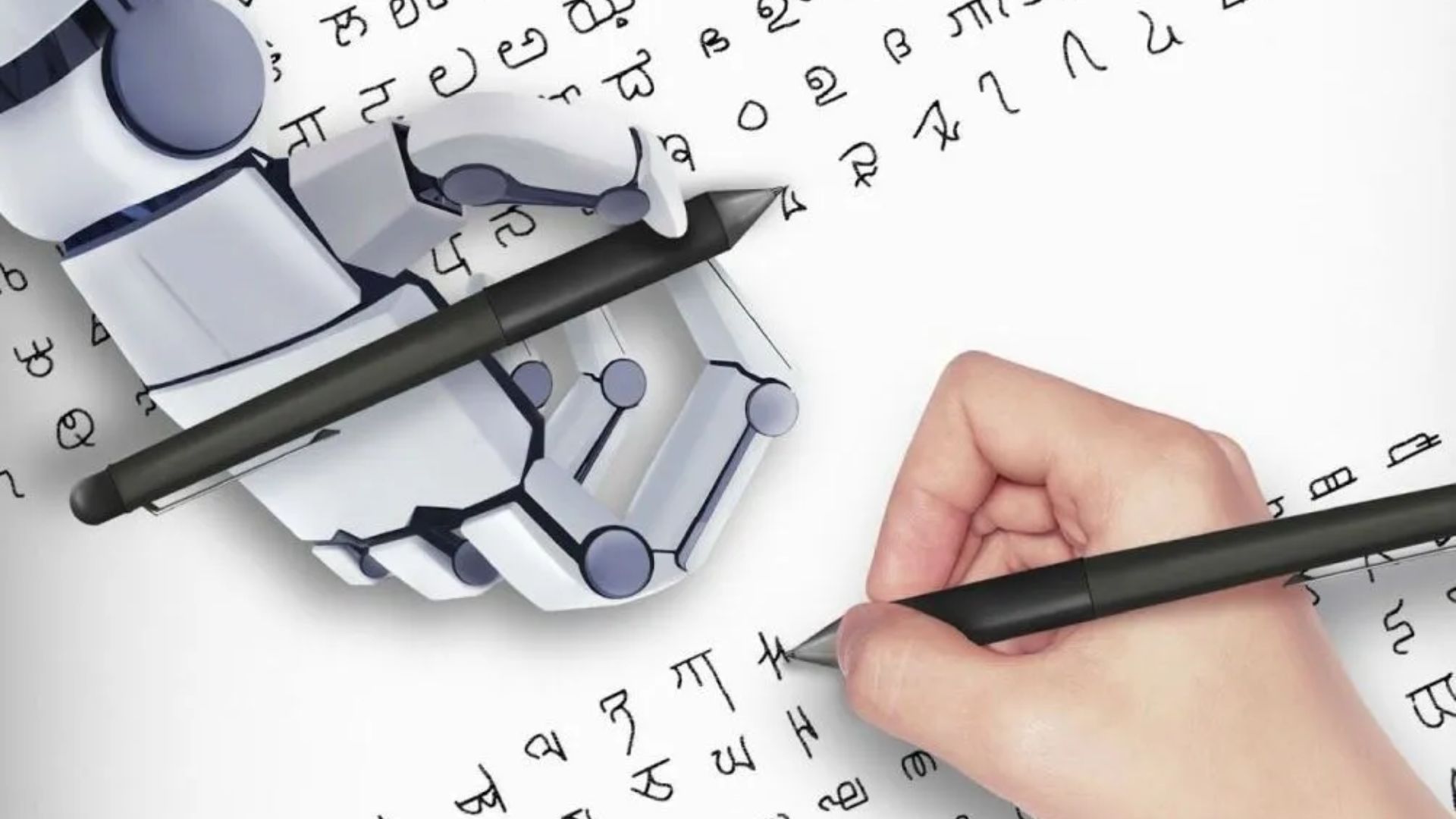
When applied thoughtfully, post-editing combines machine speed with human understanding. It helps businesses maintain translation efficiency, build stronger connections with global audiences, and deliver messages that sound natural and trustworthy.
Here are the main reasons why post-editing matters:
- Improved Translation Quality: Post-editing transforms rough machine output into clear, accurate, and natural-sounding text. This ensures your content is suitable for websites, marketing campaigns, and customer communication.
- Cultural and Contextual Relevance: Human editors capture tone, expressions, and cultural details that machines often miss. This makes the final translation resonate with local audiences and feel more authentic.
- Operational Efficiency: Combining machine translation with human review reduces turnaround time by up to 50%. Businesses can translate large volumes faster without sacrificing quality.
- Consistent Brand Voice: Post-editing helps maintain your brand’s style, tone, and personality across languages. It ensures that every translation sounds like it came from the same trusted source.
- Higher Audience Engagement: When translations read naturally and match local expectations, readers are more likely to stay, engage, and respond positively to the message.
With these benefits, it’s clear that post-editing is not just a quality step, it’s a smart investment for brands aiming to communicate effectively with multilingual audiences.
Also Read: How Shopify Language Translation Apps Improve SEO and Increase Traffic
Now that you know how post-editing adds value, the next step is to understand the levels of editing involved.
2 Key Approaches to Post-Editing
Not all translated content needs the same level of review. Some texts only need quick fixes for readability, while others require a detailed rewrite to sound natural and reflect the brand’s tone. That’s where the two main types of post-editing come in: light and full.
Each type serves a different purpose depending on the content and audience. When applied properly, post-editing improves clarity, maintains consistency, and helps messages flow smoothly across languages.
Here are the main types of post-editing:
1. Light Post-Editing
Focuses on small but important corrections such as fixing grammar, punctuation, and awkward phrasing. The goal is to make the text easy to read and understand, even if it’s not perfectly polished. This type is best suited for internal communication, technical manuals, or FAQs where clarity is more important than tone.
2. Full Post-Editing
Involves a complete review of the translation to refine tone, context, and cultural relevance. Editors make sure the content reads naturally and reflects the brand’s voice accurately. This level of post-editing works best for marketing materials, websites, and customer-facing content.
By choosing the right level of post-editing, businesses can balance speed and quality while ensuring their content connects effectively with global audiences.
Once you’ve chosen the right editing level, the focus shifts to building a reliable, efficient workflow.
Best Proven Strategies for Effective Post-Editing

Post-editing is most effective when treated as a structured, data-driven process rather than a one-time correction task. Aligning strategy with content goals and audience expectations ensures accuracy and efficiency at scale.
Here are the key strategies to build a consistent and scalable post-editing workflow:
- Selecting the Right Post-Editing Approach: Choose your level of post-editing based on content importance and visibility. Light post-editing suits internal or time-sensitive materials, while full post-editing is essential for customer-facing or brand-critical content.
- Content and Context Awareness: Evaluate factors such as domain complexity, language tone, and cultural context.
- Anuvadak’s context-aware translation memory supports this by suggesting the most relevant, accurate translations for each scenario.
- Quality Metrics Integration: Incorporate measurable standards like BLEU and HTER scores to assess machine translation output and guide consistent improvement across projects.
- Workflow Automation: Integrate post-editing steps into your website localisation pipeline, allowing seamless collaboration between translators, reviewers, and developers.
- Continuous Feedback and Learning: Use analytics to identify recurring issues, refine MT models, and streamline future editing cycles for improved accuracy and reduced turnaround time.
To maintain consistent quality, skilled post-editors play a critical role.
5 Essential Training and Expertise for Effective Post-Editing
Efficient post-editing depends on skill, speed, and familiarity with MT behaviour. As machine translation continues to evolve, trained post-editors play a crucial role in ensuring final content meets enterprise quality standards.
Here are the key areas that define effective post-editing expertise:
- Translators vs. Post-Editors: Translators craft original content, while post-editors refine machine-generated text. The focus is on improving readability, tone, and accuracy without rewriting entirely.
- Specialized MTPE Training: Familiarity with MT engines, editing tools, and NMT output patterns helps editors correct faster and more consistently across projects.
- Tool Proficiency: Mastery of translation management systems, glossaries, and quality metrics like BLEU and HTER supports high-volume workflows.
- Linguistic and Cultural Awareness: Editors must ensure translated content reads naturally while staying culturally relevant.
- Workflow Efficiency: Combining automation with human review enables scalable, cost-effective localization for global enterprises.
Post-editing can encounter hurdles that impact accuracy and workflow. Identifying these challenges and applying smart strategies keeps translations reliable and efficient.
Ensuring Quality in Post-Editing: Challenges and Strategies

High-quality post-editing doesn’t happen by chance, it requires a balance of technology, human review, and data-driven improvement. Many teams face recurring challenges such as inconsistent output, slow review cycles, or unclear quality standards.
The right approach turns these challenges into opportunities for efficiency and accuracy.
The table below highlights common post-editing challenges and the best practices to overcome them.
| Challenge | Best Practice |
| Inconsistent Quality | Set up feedback loops and use Anuvadak’s analytics to track trends and refine models. |
| High Editing Effort | Apply BLEU or HTER metrics to identify error patterns and reduce rework. |
| Low Quality Visibility | Monitor key metrics with dashboards for clear performance insights. |
| Cultural Gaps | Include human reviewers to ensure tone, meaning, and relevance align locally. |
| Slow Improvements | Promote collaboration between linguists, editors, and managers for faster learning cycles. |
Understanding these elements sets the stage for implementing an efficient and scalable MTPE workflow.
Anuvadak’s Post-Editing Solutions for Accurate Multilingual Content
Even with advanced machine translation, content can have errors, awkward phrasing, or miss cultural nuances. Anuvadak’s post-editing solutions ensure your multilingual content is polished, accurate, and ready for your audience:
- Light & Full Post-Editing: Provides the right level of review for each content type. Light post-editing quickly fixes grammar and clarity for internal content, while full post-editing refines tone, style, and cultural relevance for customer-facing materials.
- Context-Aware Translation Memory: Suggests previously approved translations for consistent phrasing and terminology across all content, reducing repetitive work and improving efficiency.
- Quality Metrics & Analytics: Tracks machine translation performance and post-editing improvements with measurable standards like BLEU and HTER scores, helping teams identify error patterns and maintain high quality.
- Workflow Automation: Integrates post-editing seamlessly into content pipelines, allowing translators, reviewers, and developers to collaborate efficiently without slowing deployment.
- Cultural & Linguistic Accuracy: Ensures that translations sound natural, respect local expressions, and align with brand voice, making content engaging and trustworthy for diverse audiences.
- Scalability & Security: Handles high volumes of content across multiple languages while keeping sensitive data and intellectual property protected.
With Anuvadak’s post-editing solutions, your machine-translated content is not only faster but also accurate, culturally relevant, and ready to connect with audiences worldwide.
Conclusion
Successful post-editing is not just about correcting machine output; it’s about creating translations that read naturally, reflect cultural understanding, and meet professional standards. It bridges the gap between AI-generated speed and human-level quality, ensuring every piece of content feels authentic and accurate.
For businesses aiming to make post-editing efficient, consistent, and scalable, Anuvadak offers the right platform. It helps centralise MTPE processes, maintain brand tone across languages, and manage multilingual workflows with ease.
To see how post-editing can transform your localization strategy and help you reach diverse audiences faster, connect with us today.
FAQs
1. What exactly is post-editing in machine translation?
Post-editing means reviewing and refining text produced by a translation tool. Editors correct grammar, adjust tone, and make the translation read smoothly so it feels natural to the target audience.
2. Why is post-editing necessary for businesses?
Machine translations can be fast but often miss context or cultural meaning. Post-editing ensures your message is accurate, professional, and suitable for different regions and audiences.
3. How is light post-editing different from full post-editing?
Light post-editing focuses on small fixes like grammar and clarity. Full post-editing involves a detailed review of tone, flow, and cultural relevance, making the translation sound like original writing.
4. Is post-editing faster and more affordable than full human translation?
Yes. Since machines handle the first step, editors spend less time revising. This approach delivers high-quality results in less time and at a lower cost than starting from scratch.
5. How does post-editing help global communication?
Post-editing helps businesses create accurate and culturally relevant translations that connect with people across languages, improving trust, engagement, and brand consistency worldwide.