As businesses expand across regions and languages, clear and accurate communication becomes a business necessity. Websites, applications, documents, and customer communication increasingly need to be available in multiple languages without losing meaning or clarity.
While many online tools offer instant translations, they are often designed for casual or personal use.
Professional translation websites, on the other hand, are built to support business-critical content. They focus on accuracy, consistency, and reliability, especially when content is public-facing, regulated, or frequently updated.
This blog explains 15 professional translation websites commonly used for accurate business content. Instead of ranking these platforms, it outlines what each one is, how organisations typically use it, and where it fits best.
Key Takeaways
- Professional translation websites are designed for business-critical and public-facing content.
- Different platforms support different needs, such as enterprise translation, product localisation, or regional languages.
- Accuracy, consistency, and update management matter more than speed alone.
- This list explains what each platform is, how it is used, and its strengths and limitations.
- Anuvadak focuses on professional translation for Indian and regional languages.
What makes a translation website professional?
A translation website is considered professional when it supports accurate, consistent, and reliable translation for business use. The following characteristics distinguish professional platforms from basic online tools.
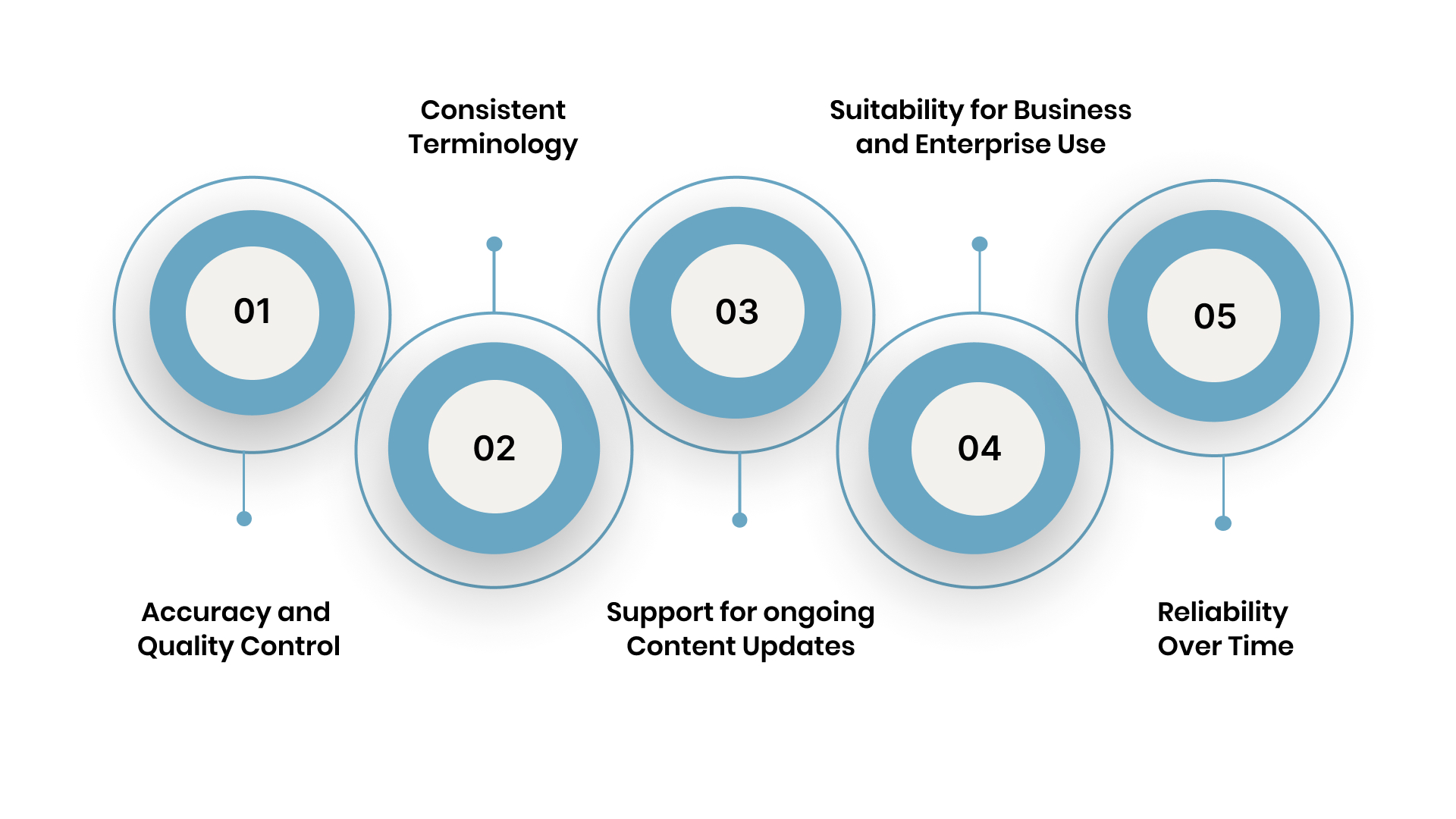
- Accuracy and quality control
Professional translation websites include checks to ensure translated content preserves meaning, intent, and clarity. This is critical for business-critical and public-facing content. - Consistent terminology
The same terms are translated uniformly across documents, websites, and applications. This helps avoid confusion and maintains trust with users. - Support for ongoing content updates
Professional platforms are designed to handle frequent changes. They allow translations to be updated quickly as source content evolves. - Suitability for business and enterprise use
These platforms are built to support scale, multiple content types, and long-term usage rather than one-off translation tasks. - Reliability over time
Professional translation websites prioritise dependable performance and consistency instead of speed alone.
Together, these features ensure that a translation website can meet professional standards and support organisations that rely on accurate multilingual communication.
How Professional Translation Websites Differ from Basic Online Tools?
Basic online translation tools are useful for quick understanding, but they are not designed for professional use. They often translate text without context and offer limited control over consistency or quality.
Professional translation websites are built to support:
- Structured translation workflows
- Ongoing updates without repeated manual effort
- Quality checks and review processes
- Business and enterprise use cases
This difference is why organisations rely on professional platforms for content that affects user understanding, trust, or compliance.
Key Challenges Businesses Face with Professional Translation Online
Professional translation online introduces operational challenges as content volumes, languages, and update frequency increase.
The table below outlines common challenges and practical ways organisations address them.
| Challenge | What the issue looks like in practice | How businesses address it |
|---|---|---|
| Inconsistent terminology | The same product, service, or feature is translated differently across content | Use approved terminology and apply it consistently across all translated material |
| Frequent content updates | Updates appear in one language but remain outdated in others | Adopt processes that allow translations to be updated quickly and centrally |
| Loss of meaning or context | Translated instructions or messages feel unclear or misleading | Provide translators with usage context and review content before publishing |
| Managing multiple languages and regions | Translations feel unnatural in certain regions using the same language | Account for regional language variations and adapt phrasing where needed |
| Speed impacting accuracy | Content is translated quickly but contains errors | Balance turnaround time with quality checks to maintain accuracy |
| Limited quality oversight | Errors are discovered only after users report issues | Introduce review and approval steps to ensure accountability |
Addressing these challenges helps organisations maintain clarity, trust, and reliability across multilingual communication.
Without structured solutions, professional translation online becomes difficult to manage as the scale increases.
Managing professional translation at scale can be complex without the right structure.
Explore how Anuvadak helps organisations manage professional translation online with accuracy and consistency.
Common Mistakes Businesses Make When Choosing Translation Platforms
Even with professional translation websites available, businesses can make decisions that limit long-term success.
A frequent mistake is choosing platforms based on speed or cost alone. While quick turnaround may seem attractive, it can compromise accuracy and consistency over time.
Another common issue is ignoring update frequency. Platforms that work well for one-time translation may struggle when content changes regularly.
Businesses also underestimate language and regional complexity. A platform that supports global languages may not handle regional or Indian languages effectively.
Finally, some organisations overlook workflow fit. If translation processes do not align with how teams work, adoption becomes difficult and errors increase.
Avoiding these mistakes helps organisations choose platforms that support long-term multilingual communication rather than short-term fixes.
15 Professional Translation Websites
Not all professional translation websites serve the same purpose. Some focus on enterprise-scale translation, others on software and app localisation, while some specialise in regional or market-specific languages.
The list below is not a ranking. It is a practical overview to help organisations choose a platform that aligns with their needs.
1. Anuvadak
What it is
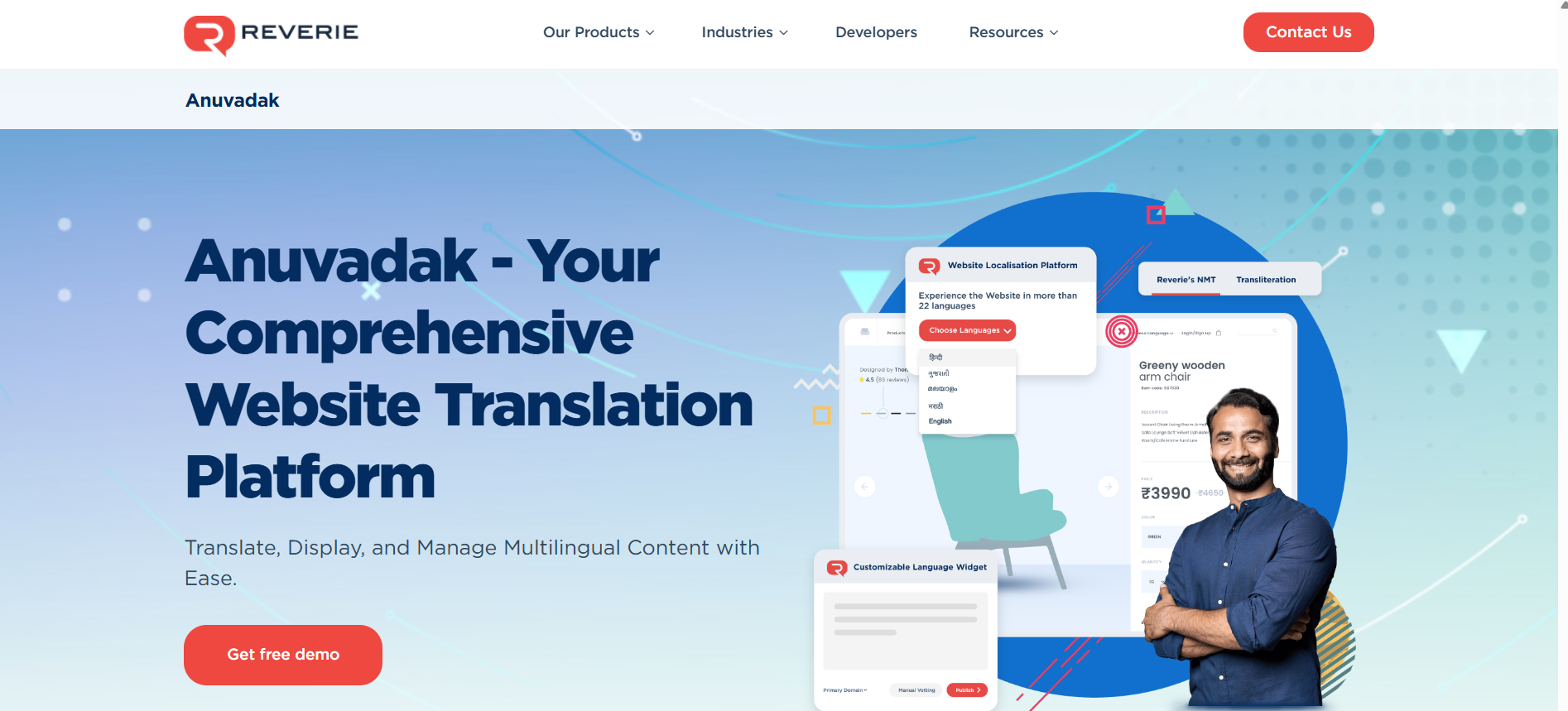
Anuvadak is a professional translation and localisation platform built specifically for Indian and regional languages.
How businesses use it
Organisations use Anuvadak to translate and manage multilingual websites, applications, and digital platforms while maintaining consistency across languages.
Strengths
- Designed for Indian language complexity and scripts
- Centralised management of multilingual content
- Suitable for enterprise and government-scale use
Limitations
- Focused primarily on Indian and regional language needs
Best suited for
Businesses and public organisations serving multilingual audiences in India.
2. RWS
What it is
RWS is an enterprise translation and localisation provider with a strong presence in regulated industries.
How businesses use it
Used for translating large volumes of corporate, legal, and compliance-related content across regions.
Strengths
- Strong governance and quality processes
- Experience with regulated and enterprise environments
Limitations
- Can be complex to onboard and manage
Best suited for
Large enterprises with structured, compliance-driven translation needs.
3. Lionbridge
What it is
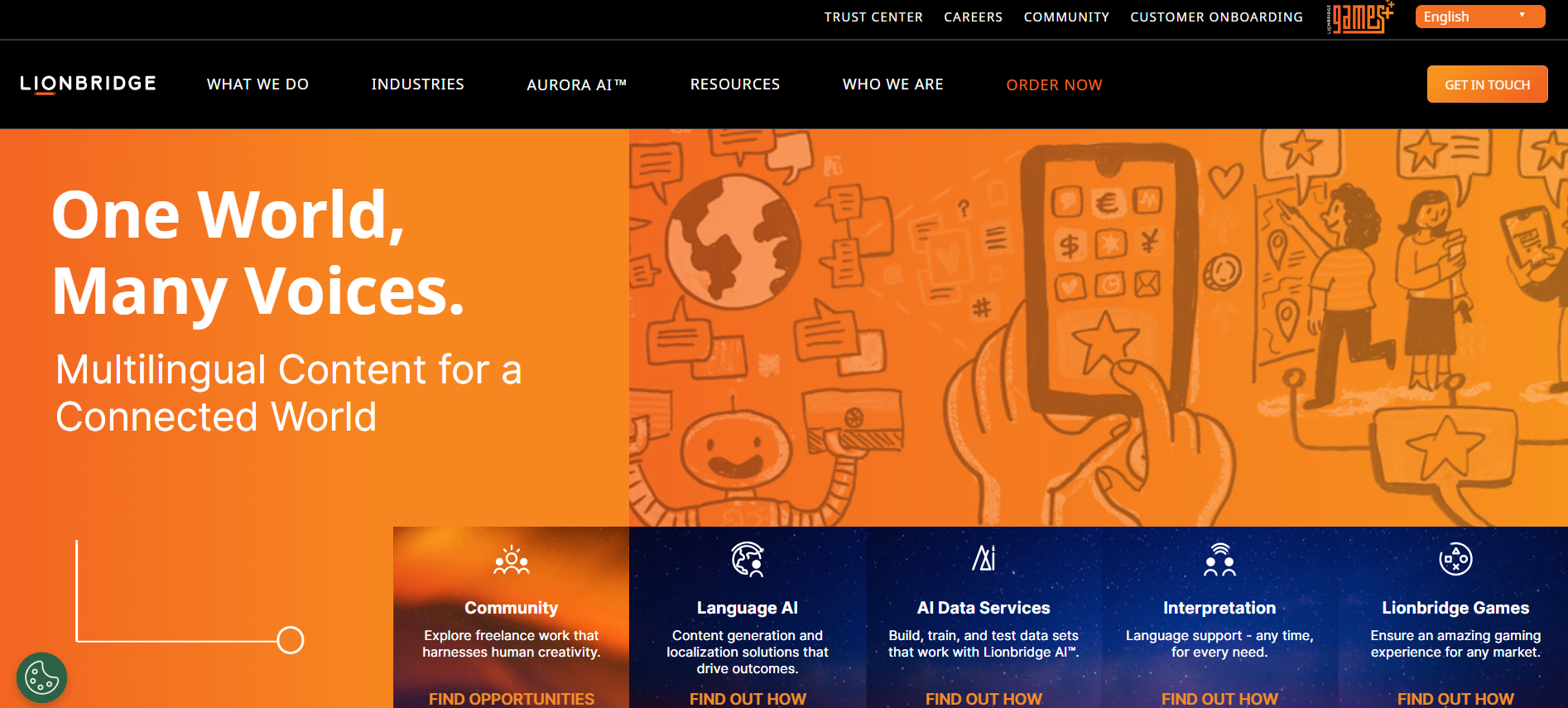
Lionbridge provides professional translation services for global business content.
How businesses use it
Often used for multilingual websites, marketing assets, and customer communication.
Strengths
- Broad language coverage
- Suitable for high-volume translation
Limitations
- Less flexible for rapid or frequent content changes
Best suited for
Organisations managing large multilingual content portfolios.
4. TransPerfect
What it is
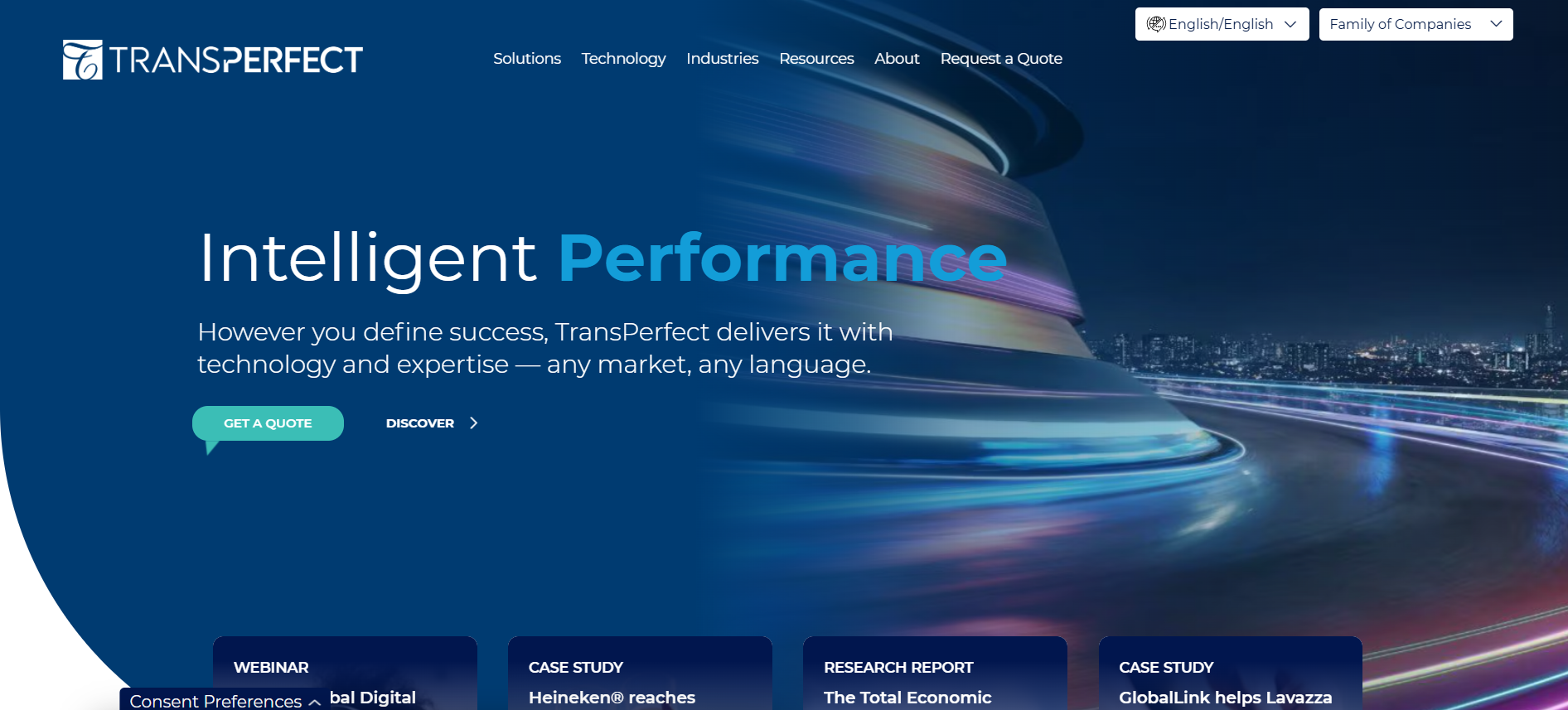
TransPerfect delivers professional translation across industries such as legal, healthcare, and finance.
How businesses use it
Used for translating business-critical, compliance-sensitive content.
Strengths
- Strong industry-specific expertise
- Wide service offerings
Limitations
- Turnaround time may vary for large projects
Best suited for
Enterprises with formal translation requirements.
5. Smartling
What it is
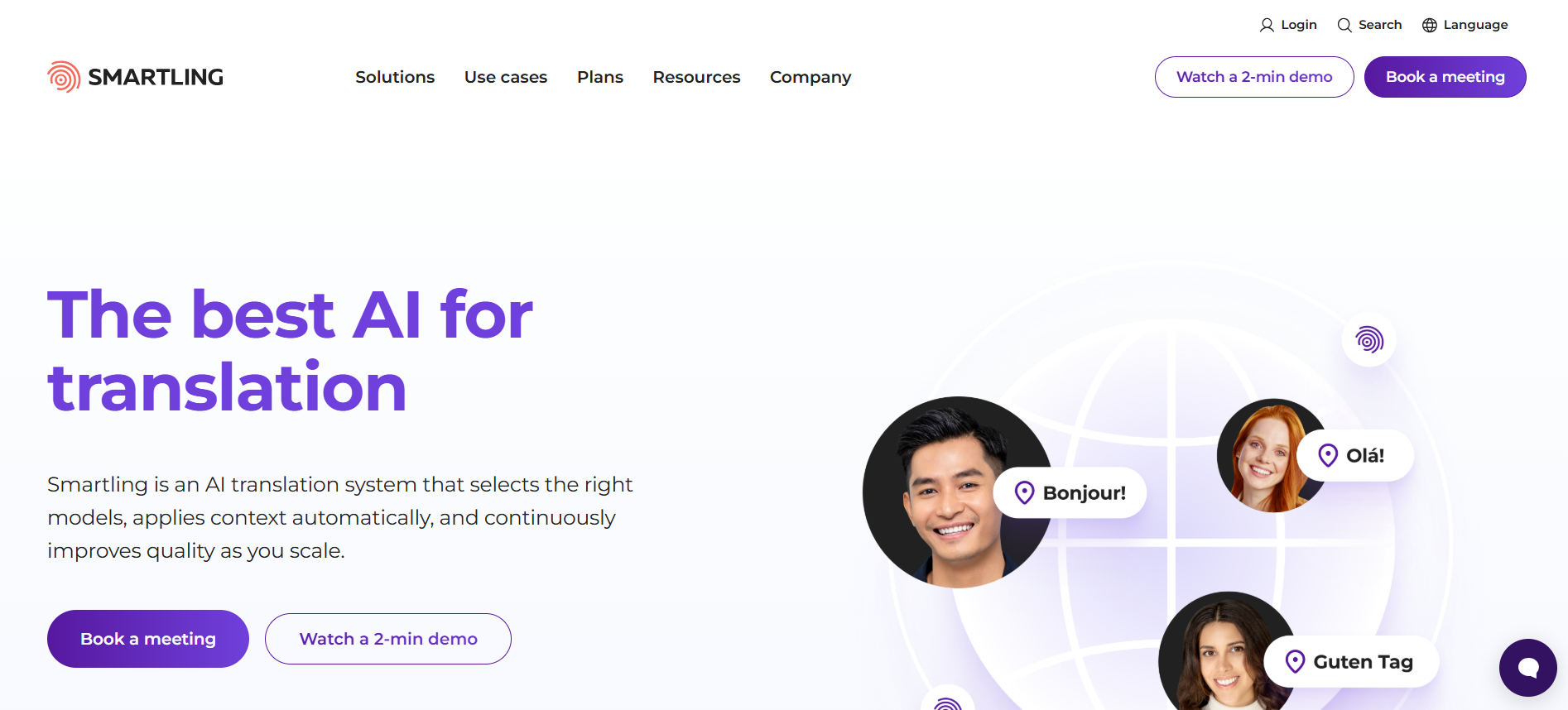
Smartling is a cloud-based translation management platform focused on digital content.
How businesses use it
Used to manage translation workflows for websites and digital products with frequent updates.
Strengths
- Workflow-driven translation management
- Supports continuous content updates
Limitations
- Requires process setup and alignment
Best suited for
Digital-first organisations with active content pipelines.
6. Phrase
What it is
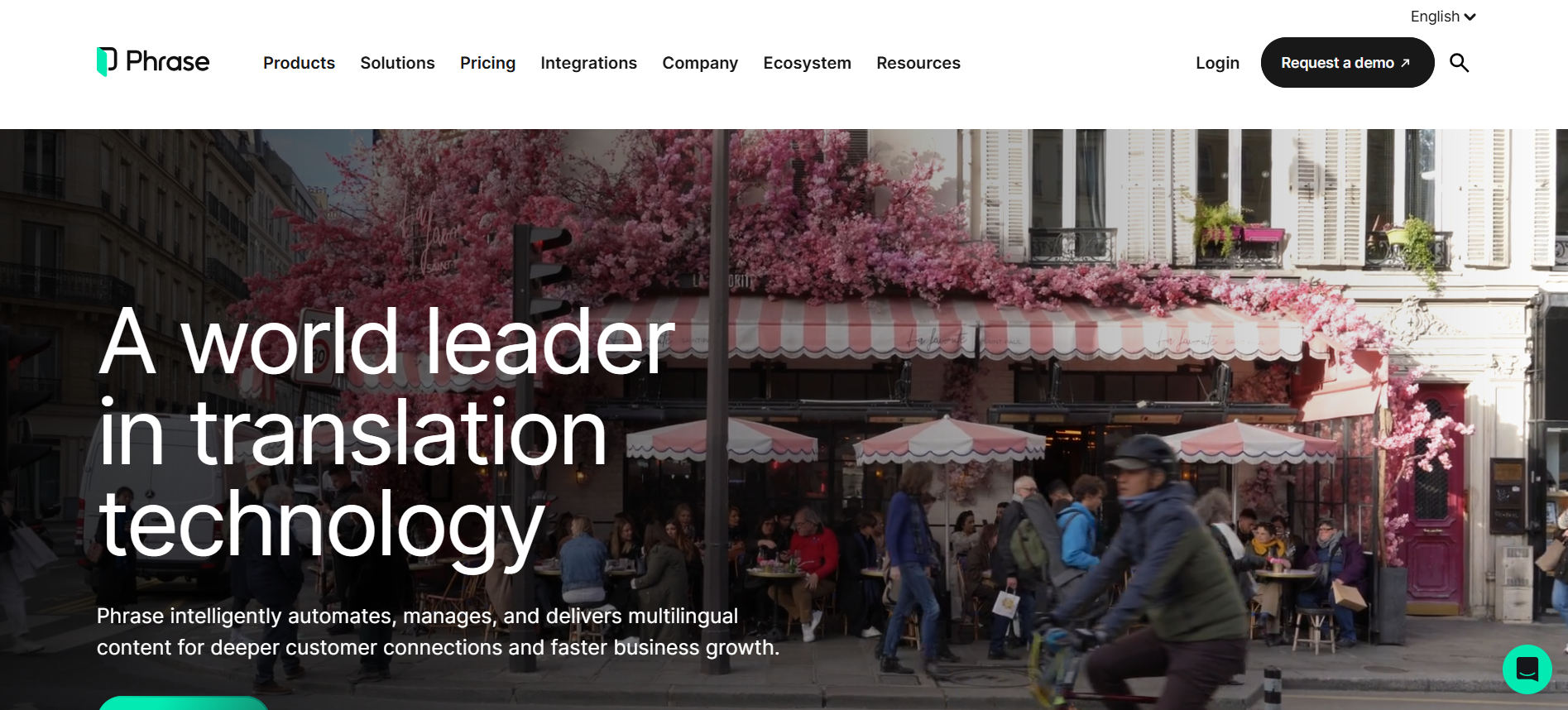
Phrase provides localisation tools for product, software, and content translation.
How businesses use it
Used by product teams to translate applications and digital interfaces.
Strengths
- Strong localisation focus
- Suitable for agile product teams
Limitations
- Less emphasis on long-form documents
Best suited for
SaaS and product-led organisations.
7. Memsource
What it is
Memsource, now part of Phrase, supports structured translation workflows.
How businesses use it
Used to manage multilingual content across distributed teams.
Strengths
- Enterprise-ready workflow controls
- Supports large-scale translation projects
Limitations
- Learning curve for non-technical users
Best suited for
Organisations managing ongoing translation programmes.
8. Lokalise
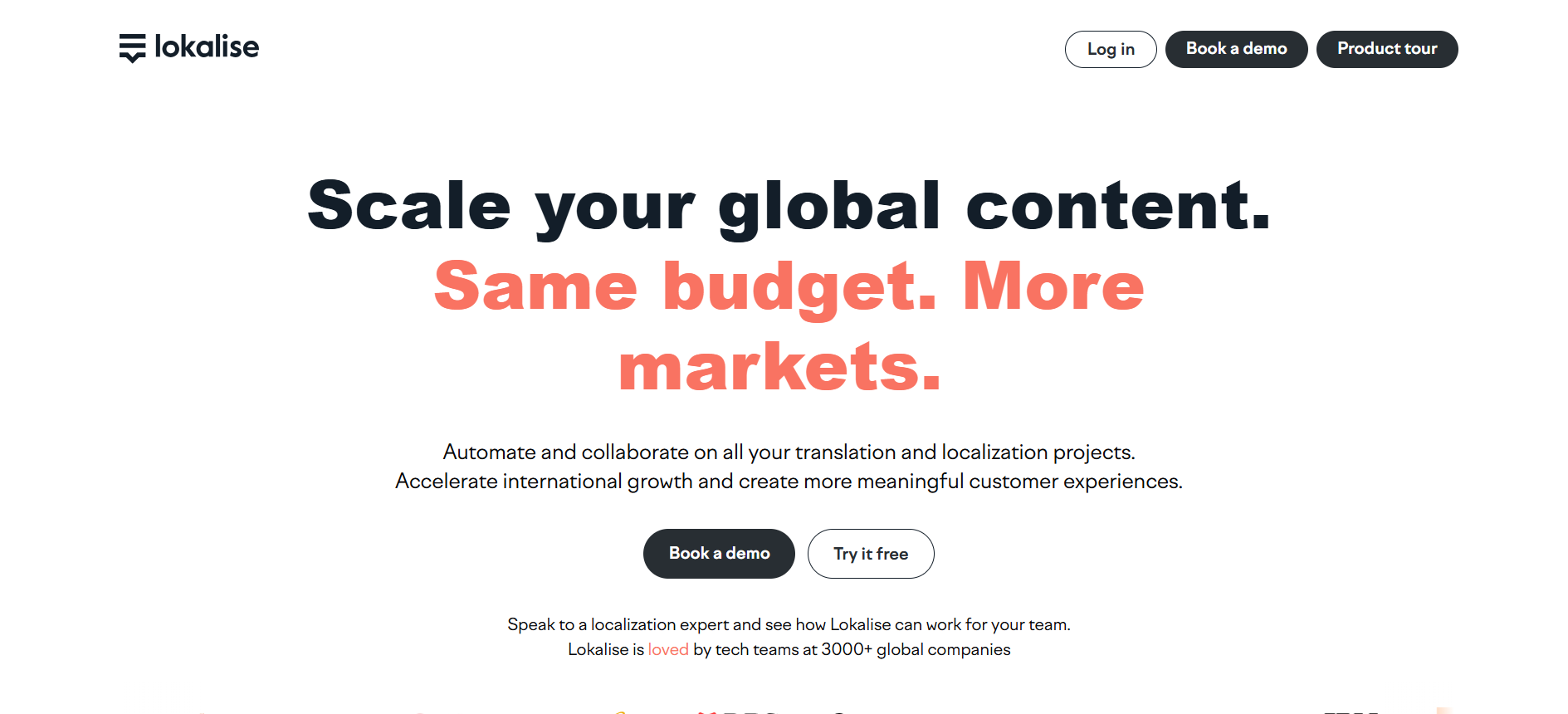
What it is
Lokalise focuses on localisation for product and application content.
How businesses use it
Used to translate UI strings, notifications, and in-app messaging.
Strengths
- Developer-friendly
- Fast update cycles
Limitations
- Limited for document-heavy use cases
Best suited for
App and software development teams.
9. Crowdin
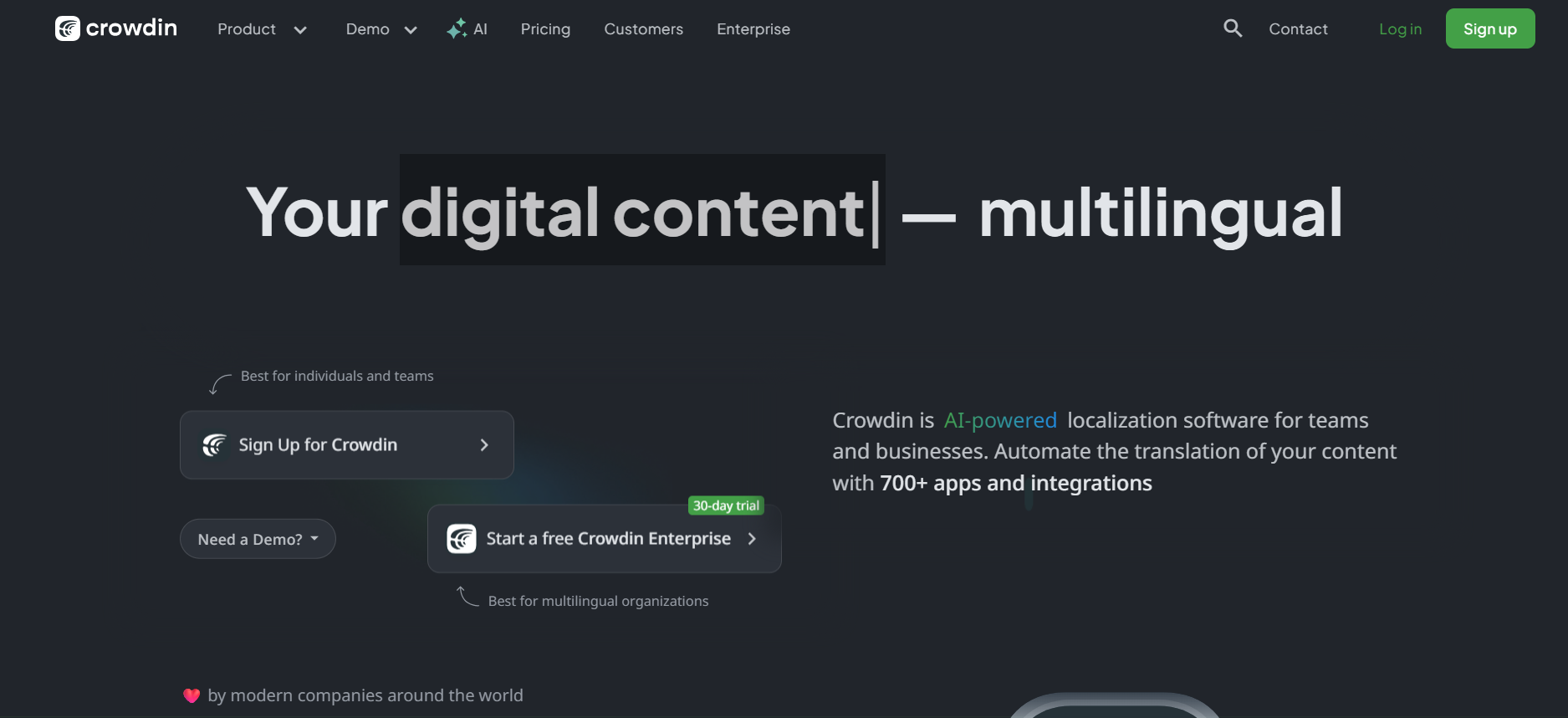
What it is
Crowdin supports collaborative localisation for software and digital content.
How businesses use it
Used to translate application content integrated with development workflows.
Strengths
- Strong collaboration features
- Integrates with development tools
Limitations
- Less suitable for formal business documents
Best suited for
Engineering-led teams.
10. Bureau Works
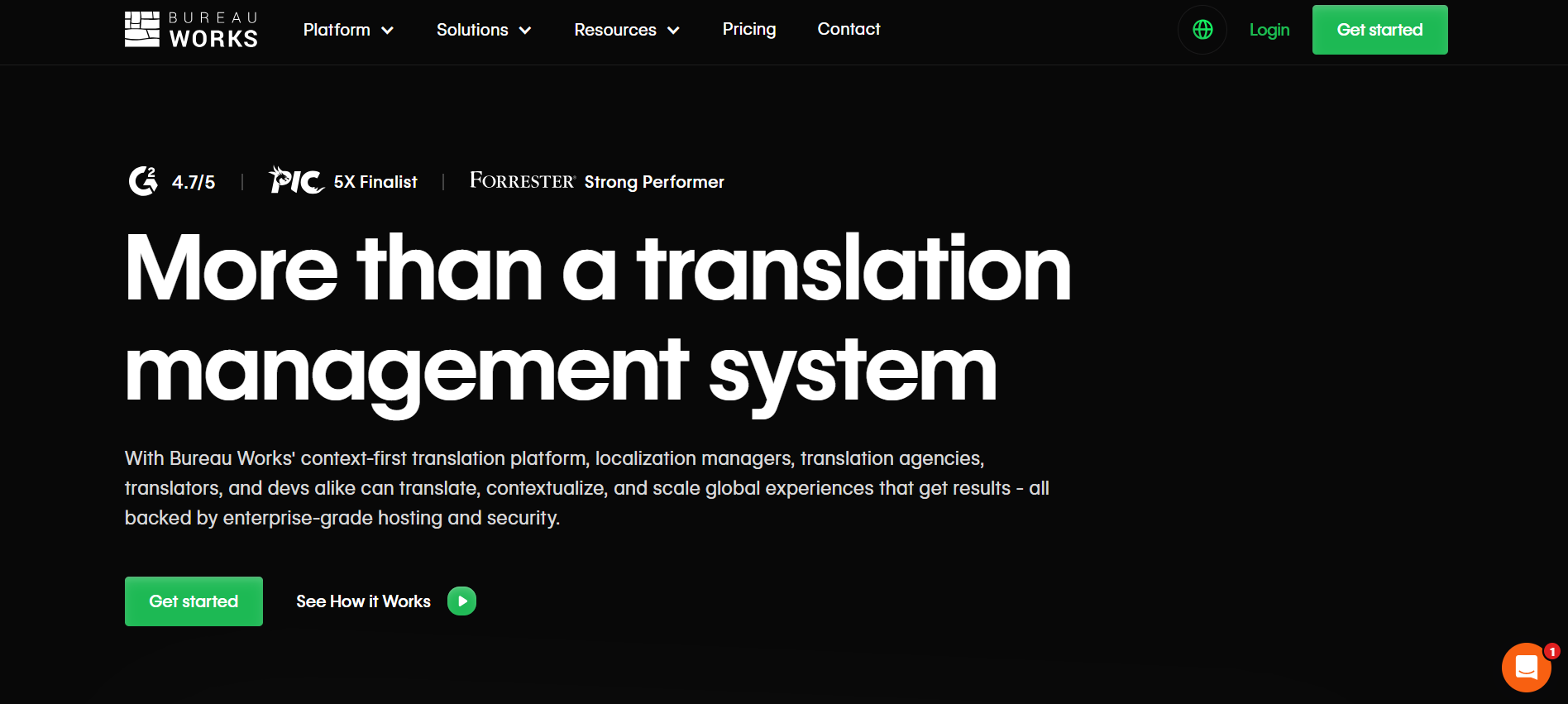
What it is
Bureau Works provides translation management with a focus on transparency and review.
How businesses use it
Used to manage translation projects with structured quality checks.
Strengths
- Clear review and approval workflows
- Focus on translation quality
Limitations
- Requires disciplined processes
Best suited for
Organisations prioritising governance and quality control.
11. Translated
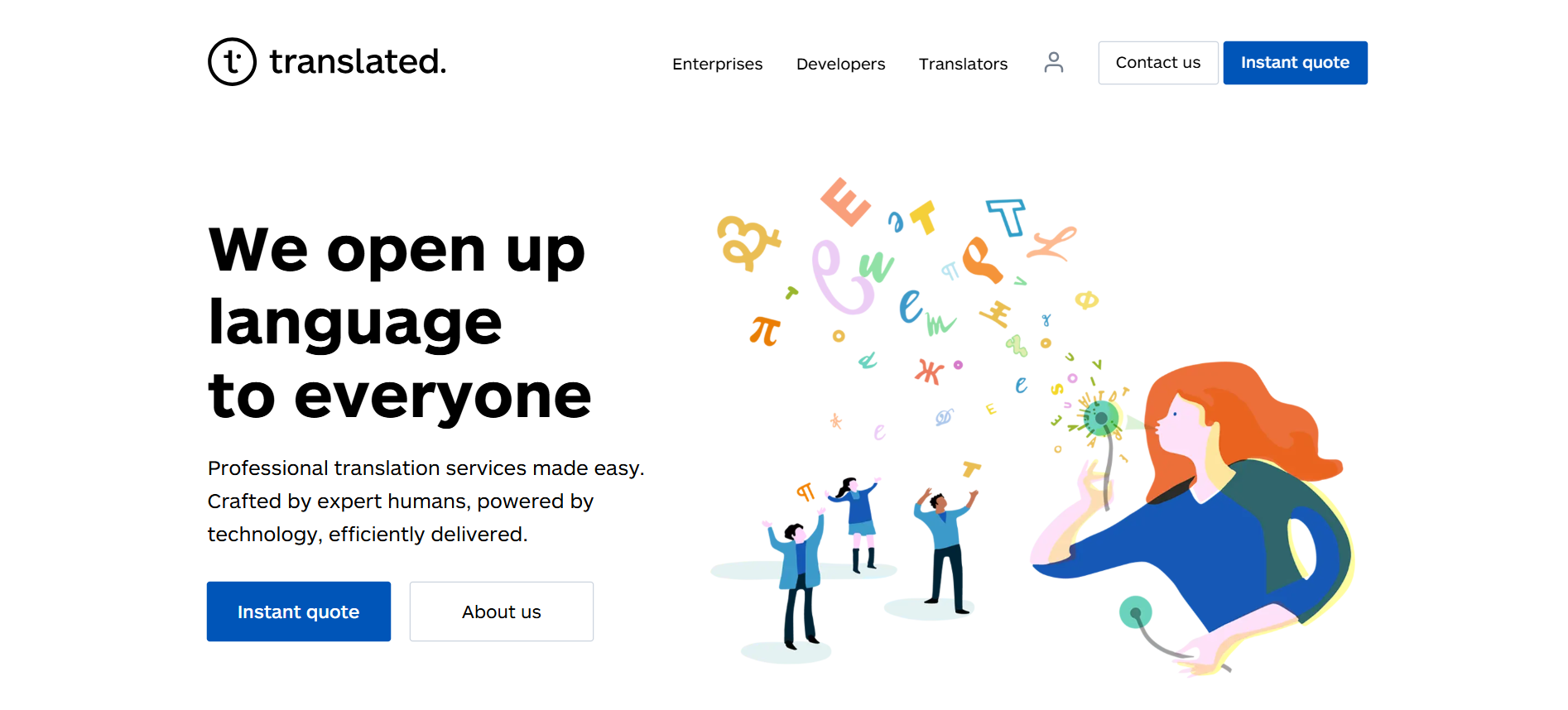
What it is
Translated offers human-led professional translation services.
How businesses use it
Used for translating business, marketing, and editorial content.
Strengths
- High linguistic quality
- Human translation focus
Limitations
- Less automation for ongoing updates
Best suited for
Content-heavy organisations.
12. Gengo
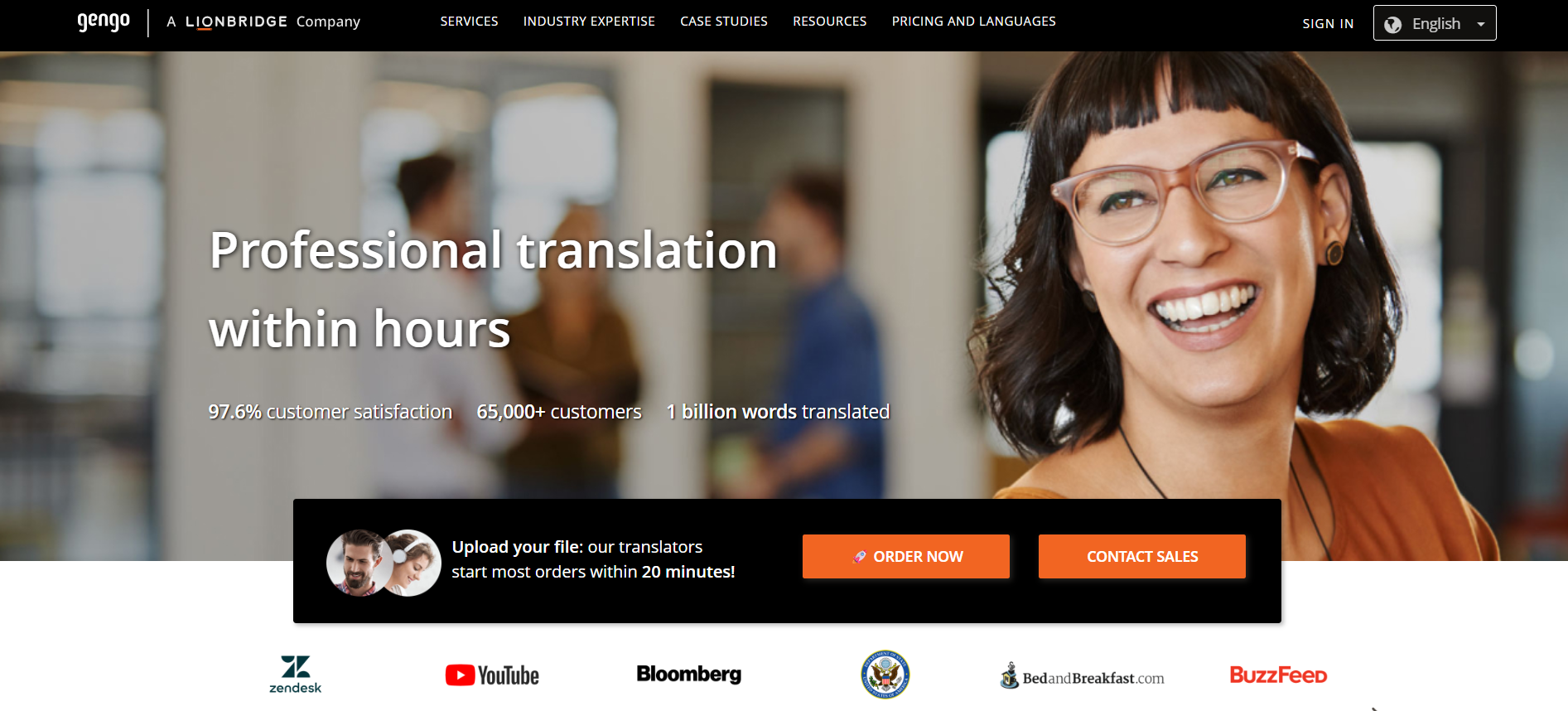
What it is
Gengo provides managed professional translation services.
How businesses use it
Used for translating customer-facing and support content.
Strengths
- Simple service model
- Scales well for growing needs
Limitations
- Limited custom workflow options
Best suited for
Mid-sized businesses.
13. One Hour Translation
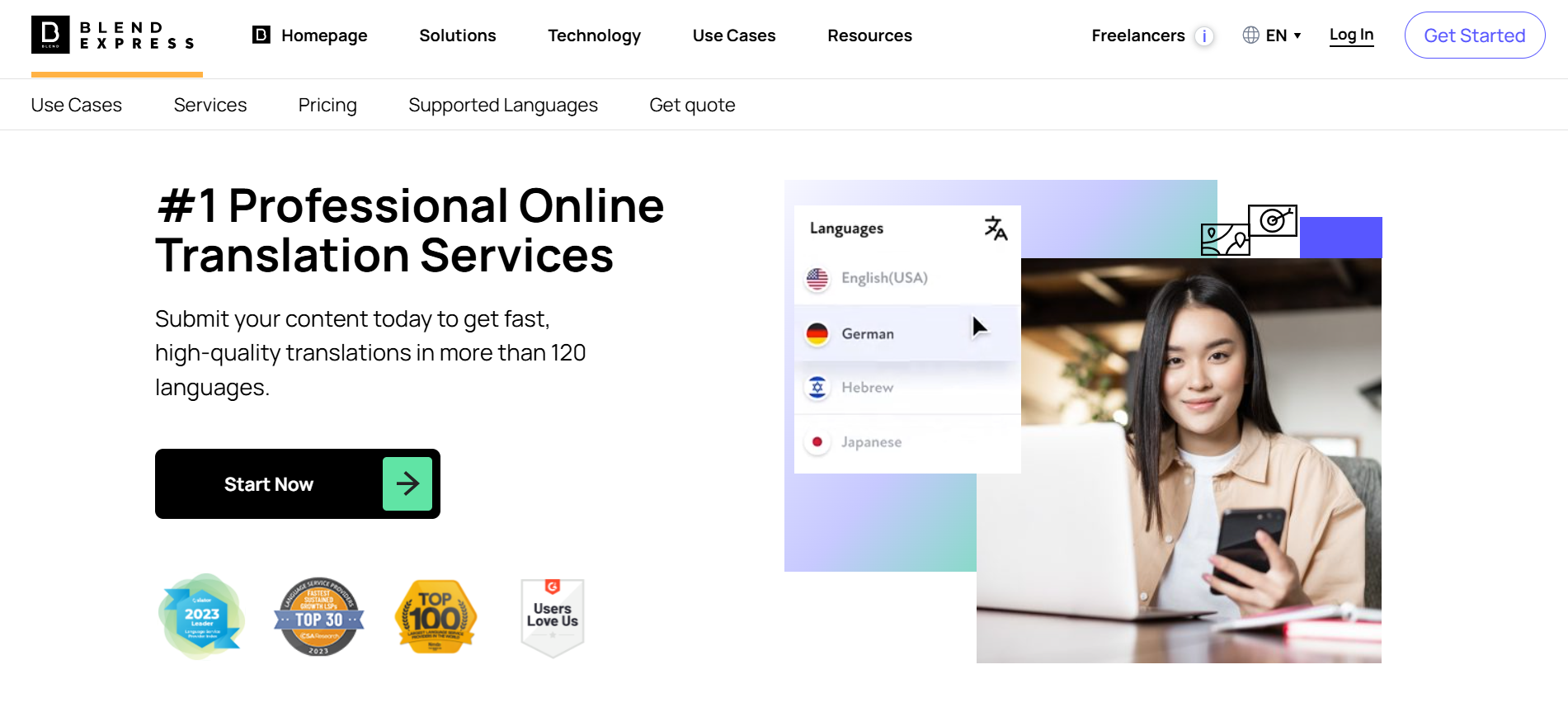
What it is
One Hour Translation offers professional translation with quick turnaround.
How businesses use it
Used for time-sensitive business communication.
Strengths
- Faster delivery
- Broad language coverage
Limitations
- Speed may limit deeper localisation
Best suited for
Organisations with urgent translation requirements.
14. Appen
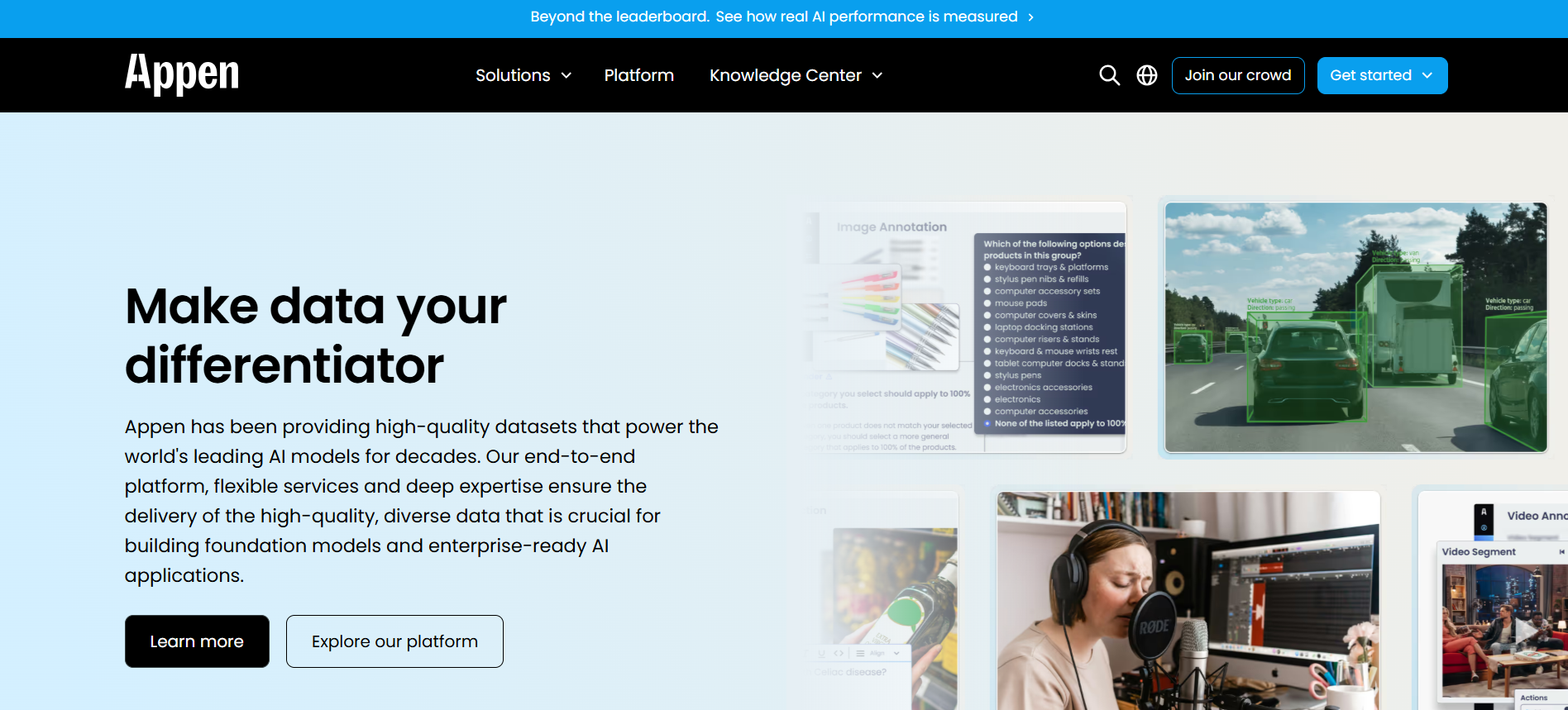
What it is
Appen supports language services and large-scale language data projects.
How businesses use it
Used for language-related technology and content initiatives.
Strengths
- Enterprise scale
- Language expertise
Limitations
- Less focused on content management workflows
Best suited for
Technology-driven enterprises.
15. TextMaster
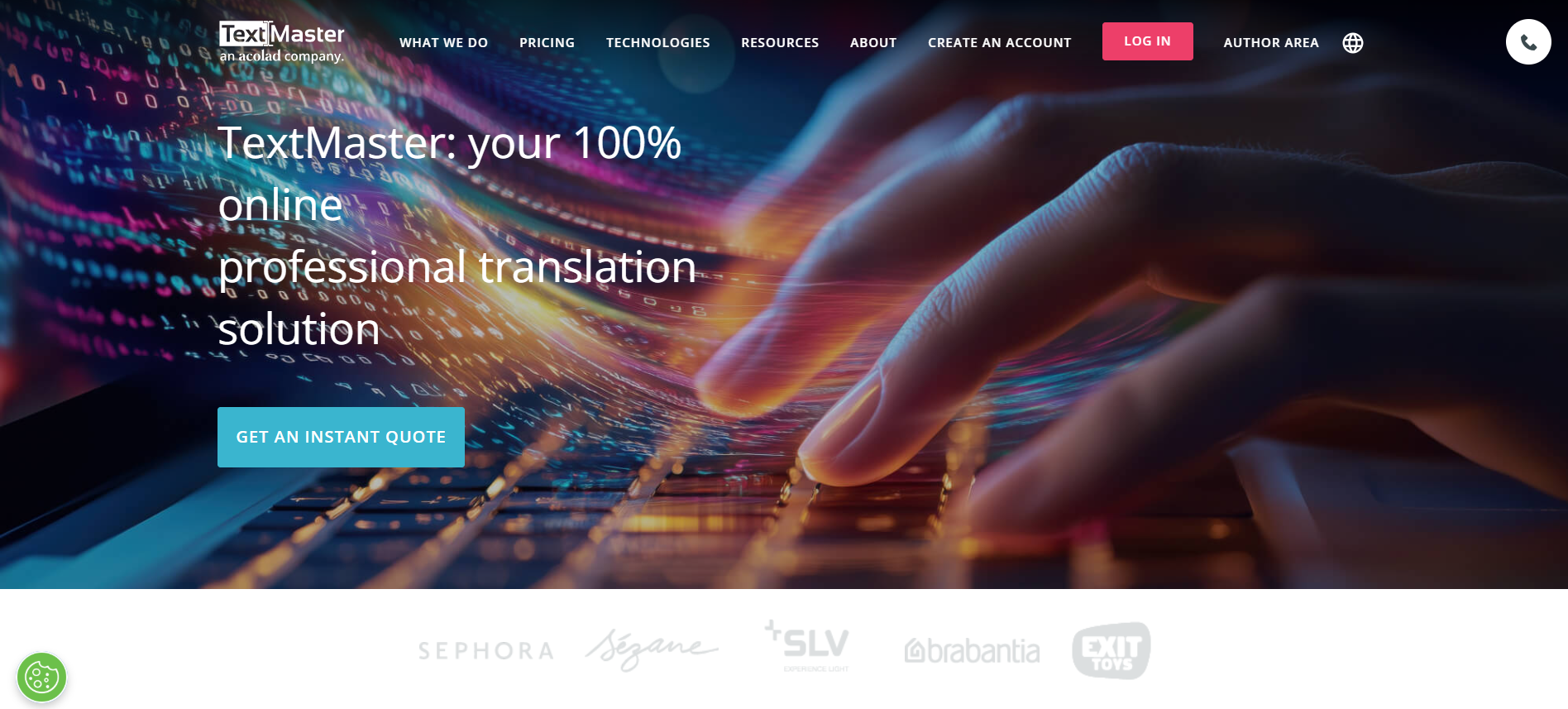
What it is
TextMaster provides professional translation for digital and marketing content.
How businesses use it
Used to translate website and campaign content.
Strengths
- Content-focused approach
- Flexible usage
Limitations
- Limited enterprise workflow depth
Best suited for
Marketing-driven organisations.
Choosing the Right Professional Translation Websites
Selecting a professional translation website is a strategic decision for organisations that rely on accurate multilingual communication.
The right choice depends on content criticality, scale, and long-term operational needs.
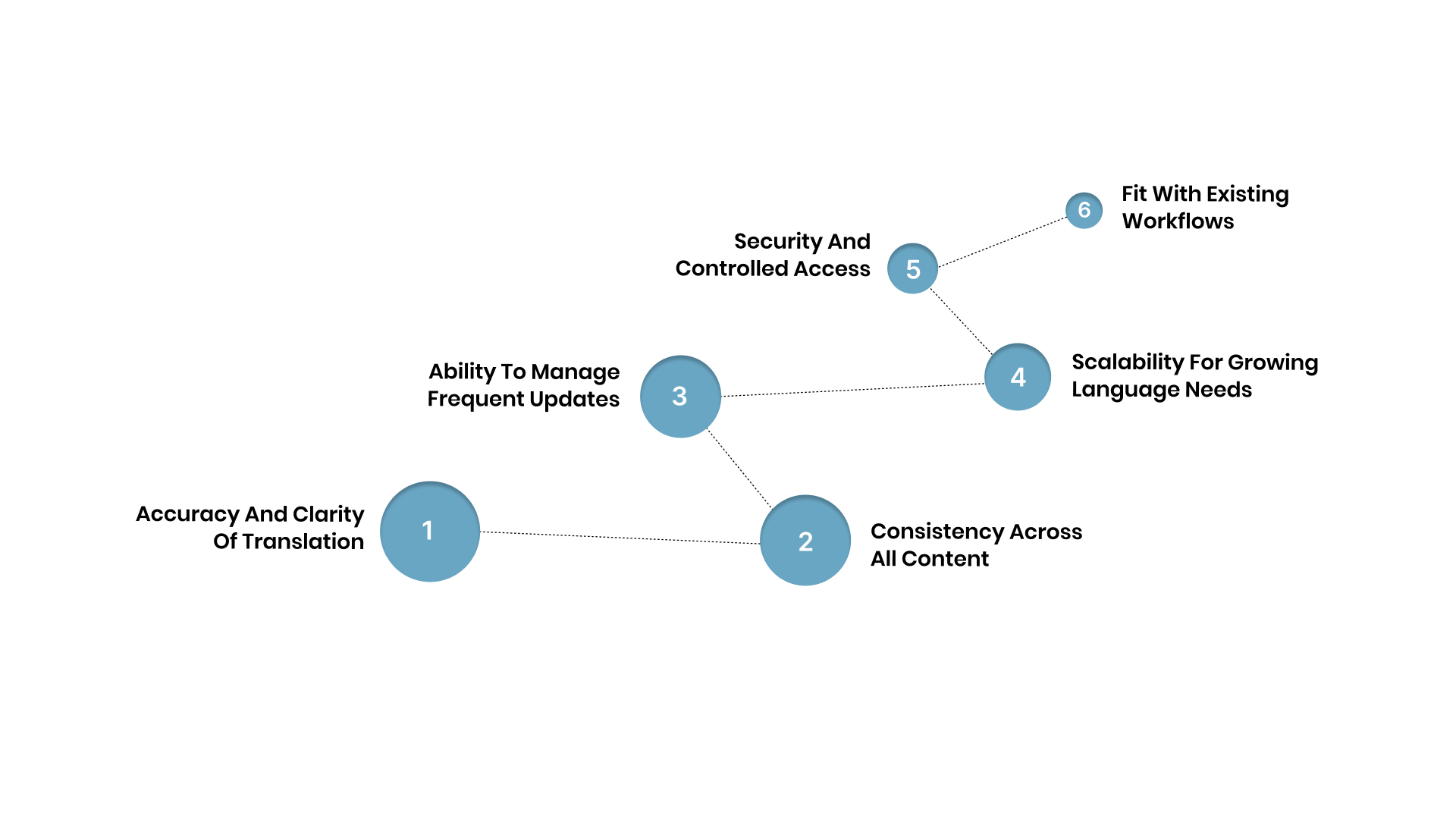
1. Accuracy and clarity of translation
A professional translation website must preserve meaning, intent, and tone across languages.
- Translations should be clear and easy to understand
- Business-specific language must remain accurate
- Errors should be identified before the content goes live
This is especially important for customer-facing and regulated content.
2. Consistency across all content
Consistency ensures users receive the same message across platforms.
- Key terms should be translated the same way everywhere
- Updates should not introduce conflicting versions
- Content across websites, documents, and apps should align
Inconsistent translations can reduce trust and cause confusion.
3. Ability to manage frequent updates
Business content changes often, and translations must keep pace.
- Updates should be reflected across all languages quickly
- Translations should not require repeated manual effort
- Content should remain aligned as it evolves
This is essential for organisations with active digital platforms.
4. Scalability for growing language needs
As organisations expand, translation requirements increase.
- The platform should support multiple languages easily
- Growing content volumes should not slow operations
- Processes should remain manageable over time
Scalability prevents translation from becoming a bottleneck.
5. Security and controlled access
Professional translation often involves sensitive information.
- Content should be handled securely
- Access should be limited to authorised users
- Review and approval should be clearly defined
This is critical for enterprise and government use cases.
6. Fit with existing workflows
A professional translation website should support how teams work.
- Content teams should manage translations easily
- Translation should not delay releases or updates
- Processes should integrate smoothly into operations
Ease of use ensures translation supports, rather than disrupts, business goals.
Choosing the right professional translation website helps organisations maintain accuracy, consistency, and reliability as multilingual content grows.
Looking for a professional translation solution built for business and public-sector needs?
Learn how Anuvadak supports secure, scalable professional translation online.
Conclusion
Choosing a professional translation website is not about finding the most popular platform. It is about selecting a solution that aligns with your content needs, language requirements, and long-term operations.
As this list shows, professional translation websites serve different purposes. Some focus on enterprise governance, others on product localisation, and a few specialise in regional language complexity.
Understanding these differences helps businesses avoid short-term fixes and build sustainable multilingual communication.
For organisations operating in India or serving diverse linguistic audiences, professional translation must also account for regional languages, scripts, and readability across digital platforms. Platforms designed with these realities in mind are better equipped to deliver accuracy and consistency at scale.
FAQs
1. Are professional translation websites better than basic online translation tools?
Professional translation websites are designed for business use. They focus on accuracy, consistency, and structured updates, while basic tools are better suited for quick or informal understanding.
2. Do all professional translation websites support Indian languages?
No. Many platforms focus on global languages only. Businesses targeting Indian audiences should evaluate whether a platform supports regional languages, scripts, and local usage patterns.
3. How should businesses choose the right professional translation website?
Businesses should consider content type, update frequency, language coverage, and how well the platform fits existing workflows before making a decision.
4. Are professional translation websites suitable for government and public-sector use?
Yes, many professional platforms are used by government and public organisations, especially when accuracy, accessibility, and consistency are critical.
5. Is one platform suitable for all translation needs?
Not always. Some organisations use different platforms for different content types, such as websites, applications, or regulated documents.
6. How does Anuvadak fit into the professional translation landscape?
Anuvadak is designed to support professional translation online with a strong focus on Indian and regional languages, helping organisations manage multilingual content accurately and at scale.