Reading content in a script you’re unfamiliar with can be confusing, and for many users in India, that’s an everyday challenge. With over 22 official languages and dozens of regional scripts, digital communication often struggles to feel truly inclusive.
That’s where local language transliteration steps in. Instead of translating meaning, it converts text from one script to another while keeping pronunciation intact.
As more Indians go online, platforms that adopt transliteration create smoother experiences for users who prefer native languages but type using English keyboards. Businesses that implement this gain better accessibility, stronger connections, and improved user trust.
This guide covers everything you need to know about local language transliteration, its key applications, and how a powerful AI-driven localisation platform like Anuvadak makes it easier to implement across websites, apps, and communication platforms.
Key Takeaways
- Local language transliteration converts text between scripts while keeping pronunciation intact, helping users read and type comfortably in their native language.
- It bridges communication gaps across India’s many languages, improving accessibility for users and audiences online.
- Brands, apps, and government platforms use transliteration to ensure consistent, culturally relevant communication across scripts.
- AI and NLP make transliteration faster, smarter, and more accurate across digital channels.
- Platforms simplify large-scale transliteration, ensuring clarity, inclusivity, and scalability for multilingual communication.
Understanding Local Language Transliteration and Its Importance
Reaching multilingual audiences effectively means communicating in a way that feels natural to them. Transliteration makes this possible by converting text from one script to another while preserving its pronunciation, for example, “भारत” becomes “Bharat.”
Unlike translation, which changes the language, transliteration keeps the sound intact so users can read familiar words even in a different script. This helps businesses and users connect across linguistic barriers without losing authenticity.
Here’s why transliteration is essential for inclusive communication:
- Wider Reach: Helps regional audiences interact with content across multiple scripts.
- Ease of Input: Lets users type in their local languages using English keyboards.
- Cultural Connection: Builds familiarity and trust through phonetic recognition.
- Consistency Across Channels: Keeps brand names, messages, and data uniform across platforms.
By integrating Anuvadak’s Transliteration API, organisations can automate this process across websites, apps, and customer communication tools. It ensures every message remains clear, phonetically accurate, and culturally relevant, no matter the language or script.
Now that you understand what transliteration is and why it matters, let’s look at how it’s applied in real-world scenarios.
Applications of Local Language Transliteration
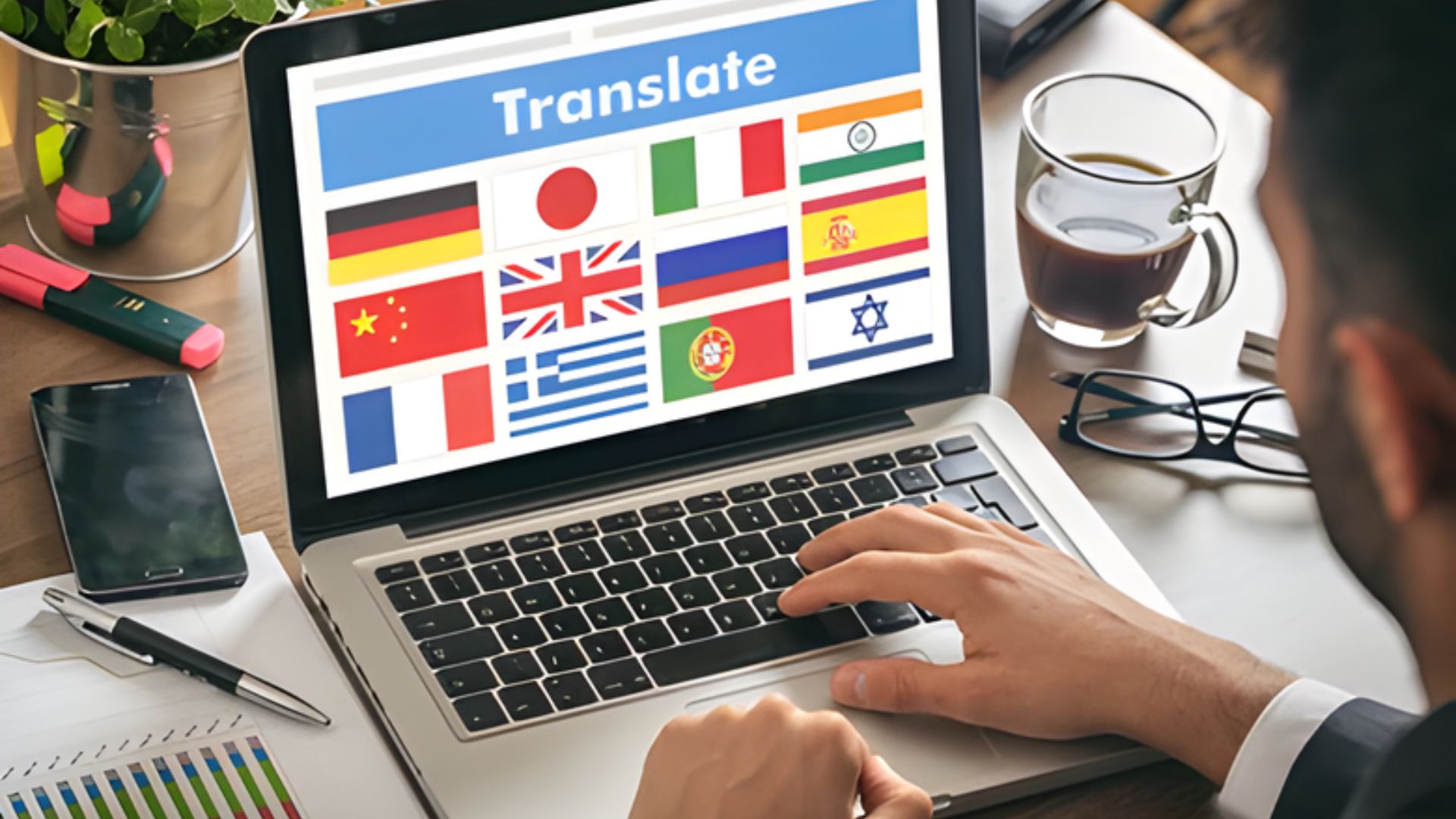
Reaching India’s multilingual audience requires more than translation, it demands transliteration that preserves meaning, pronunciation, and context. When applied across platforms, it enhances accessibility, user engagement, and trust.
Here’s how transliteration adds value across key sectors:
1. Digital Platforms
Websites, mobile apps, and chatbots use transliteration to make regional content accessible. It lets users type Hindi, Tamil, or Bengali using English characters, automatically converting input into the correct script in real time.
Also Read: How to Optimise Your Website for Multilingual SEO?
2. Address Validation and Data Entry
In logistics, eCommerce, and banking, transliteration helps maintain accuracy by standardising names and addresses across scripts. This ensures clean, consistent data and smoother customer interactions.
3. Government and Citizen Services
Public portals and e-governance sites use transliteration to make essential information available in preferred regional scripts, ensuring inclusivity and language equality for all citizens.
Once implemented, tools like Anuvadak simplify large-scale transliteration, helping organisations communicate effectively with India’s linguistically diverse users.
The Role of Technology in Modern Transliteration
The way transliteration works today is far more advanced than it once was. With artificial intelligence and natural language processing, it has moved beyond simple text conversion to truly understanding linguistic context, pronunciation, and tone.
This makes script conversion smoother, faster, and more accurate across India’s diverse languages.
Here are the key advancements driving this transformation:
- AI-Powered Contextual Understanding: Modern AI models capture linguistic nuances, ensuring that each transliterated word aligns with its intended meaning and pronunciation.
- Natural Language Processing (NLP): NLP helps systems interpret complex sentences, improving fluency and reducing inconsistencies in transliterated text.
- Standardisation through ISO 15919: This standard promotes uniformity across Indian scripts, ensuring consistency and clarity for both users and organisations.
- Cloud-Based Integration: Platforms like Anuvadak use AI-driven, cloud-based transliteration to adapt content according to regional speech and script preferences.
With these innovations, transliteration has become a key enabler of clear, natural communication across India’s linguistic diversity.
Also Read: The Ultimate Guide to SEO Translation and Localisation for Multilingual Websites
Practical Uses of Transliteration Across Industries

Transliteration plays an important role in how people and businesses communicate across languages. It is not limited to technology, it influences branding, marketing, travel, and day-to-day interactions.
A clear transliteration strategy ensures that meaning and pronunciation stay consistent across scripts and audiences.
Here’s how transliteration functions in different contexts:
- Business Communication: Brands use transliteration to keep product names, slogans, and campaigns familiar across scripts, helping audiences recognise them even when the writing system changes.
- Marketing and Advertising: Regional campaigns rely on transliteration to connect with diverse audiences while preserving brand identity and tone across scripts.
- Travel and Navigation: Tourists benefit from transliterated maps, road signs, and public information that make directions and local details easier to understand in multilingual regions.
- Digital Communication: In daily messaging, transliteration lets users write in their preferred language using English keyboards, making communication faster and more natural.
By integrating Anuvadak’s Transliteration API, organisations can maintain phonetic accuracy and cultural relevance across all digital channels, from marketing materials to customer service platforms. This ensures every message is clear, consistent, and inclusive, no matter the script.
Challenges and Solutions in Local Language Transliteration
Local language transliteration simplifies multilingual communication, but it also introduces several challenges related to accuracy, context, and usability. The table below outlines key issues and practical ways to resolve them effectively.
| Challenge | Solution |
| Difficulty inputting non-Latin scripts on standard keyboards | Use phonetic input and predictive transliteration tools tuned to regional typing habits. |
| Confusion between homonyms or similar-sounding words | Use contextual ML algorithms that analyse sentence meaning before transliteration. |
| Lack of standardisation across Indian languages | Adopt frameworks aligned with government standards and Unicode formats. |
| Limited support for mixed-language text (code-mixing) | Enable hybrid systems that process Roman and native scripts in one sentence. |
| Slow processing for large-scale text conversions | Use cloud-based APIs such as Anuvadak for real-time, scalable transliteration. |
| Inconsistent rendering across devices and browsers | Optimise and test font compatibility for all supported scripts. |
| Absence of contextual feedback for users | Add auto-suggestions and correction prompts to improve real-time accuracy. |
By integrating Anuvadak, organisations can efficiently manage large-scale transliteration needs. Its cloud-based APIs ensure precision, faster data processing, and smooth multilingual experiences.
The Future Role of Local Language Transliteration in India

As India’s digital ecosystem grows, local language transliteration is becoming an essential part of making online content accessible to everyone. It goes beyond simply converting text; it helps people communicate in their own language while preserving cultural identity and inclusivity.
When implemented thoughtfully, transliteration bridges communication gaps and enables users to engage comfortably, no matter which script they use. It also promotes wider participation in the digital economy, helping businesses and government platforms connect with more people.
Here’s why local language transliteration matters:
- Better Accessibility: Transliteration allows users to read and write in their preferred language even when using English keyboards.
- Cultural Connection: It maintains the tone and pronunciation of local languages, helping users feel more familiar and confident while interacting digitally.
- Broader Digital Inclusion: It encourages participation from people across regions, creating equal access to information and services.
- Technological Advancements: With progress in AI and machine learning, transliteration tools are becoming more accurate and faster, offering real-time results across websites, chat interfaces, and voice systems.
- Enterprise and Government Readiness: Platforms like Anuvadak simplify transliteration management by making it scalable, secure, and easy to integrate across multiple languages.
Anuvadak’s Solutions for Local Language Transliteration in India
Managing transliteration across multiple Indian languages can be challenging, especially when your content needs to look and read naturally.
For diverse audiences. Inconsistent scripts, errors in proper nouns, or mismatched transliterations can lead to confusion and loss of engagement. Anuvadak solves these challenges with precision and scalability through:
- Transliteration API: Converts English content into scripts like Hindi, Tamil, Telugu, or Bengali instantly, ensuring consistent representation of names, products, and addresses across platforms.
- Context-Aware Transliteration: Automatically detects language patterns and applies script conversions accurately, maintaining readability without distorting meaning.
- Bulk Transliteration for Web & Mobile Applications: Enables fast, automated transliteration for large datasets such as product catalogs, blogs, and marketing campaigns across websites and mobile apps.
- Integration with Translation Workflows: Works seamlessly with Anuvadak’s translation and localization tools, letting businesses manage both translated and transliterated content from a single dashboard.
- Enhanced Search & SEO Compatibility: Improves search visibility by supporting transliterated keywords, ensuring users find your content whether they type in English or native scripts.
- Accuracy & Compliance: Protects sensitive business and user data during the transliteration process while maintaining compliance with data protection regulations.
With Anuvadak’s local language transliteration solutions, businesses can communicate naturally with users across India, bridging script barriers and improving overall accessibility.
Conclusion
Implementing local language transliteration for Indian audiences involves more than simply converting scripts; it requires precision in preserving pronunciation, readability, and contextual meaning.
Effective transliteration ensures that users can read familiar words in their native script while maintaining accessibility for those typing in English.
Anuvadak makes this process seamless by automating transliteration, managing multilingual content centrally, and maintaining language accuracy across interfaces, all while ensuring scalability and security.
For guidance on enabling local language transliteration or exploring how Anuvadak can streamline your localisation workflow, contact our team to discuss your goals and implementation strategy.
FAQs
1. What is local language transliteration?
Local language transliteration converts text from one script to another while keeping the pronunciation the same. For example, writing namaste instead of नमस्ते. It helps users read and type local languages easily, even without using the native keyboard.
2. How does transliteration differ from translation?
Translation changes the meaning of text from one language to another, while transliteration keeps the sound intact. For instance, market in Hindi translates to बाज़ार, but transliterates to maarket. Transliteration focuses on how words sound, not what they mean.
3. Where is local language transliteration most useful?
It is widely used in search bars, messaging apps, and multilingual websites. It allows users to type in their preferred language using English letters, making communication and interaction smoother for those comfortable reading local words in Roman script.
4. Why should businesses use local language transliteration?
For businesses in India, transliteration helps reach a wider audience by reducing language barriers. It improves engagement, retention, and accessibility, especially on apps and websites that serve users from diverse linguistic regions.
5. How can businesses integrate local language transliteration effectively?
Platforms like Anuvadak make it easy to enable local language transliteration across websites and apps. With support for multiple Indian languages, it allows users to type, read, and interact in their preferred language, improving inclusivity and user satisfaction.