For enterprises expanding globally, selecting the right multilingual CMS is essential to streamline content management across various languages and regions. If you’re in BFSI, eCommerce, or Healthcare, a robust multilingual CMS allows businesses to manage, scale, and localise content efficiently, ensuring a seamless experience for diverse audiences.
A well-implemented multilingual CMS enables enterprises to centralise content, automate localisation workflows, and maintain consistency across regions.
In this blog, we’ll explore the top multilingual CMS platforms that can help businesses deliver accurate, region-specific content while maintaining brand consistency.
Key Takeaways
- A multilingual CMS streamlines language change automation, making it easier to manage global websites while reducing manual intervention and translation errors.
- Integration with translation management systems (TMS) and multilingual APIs enhances content accuracy and efficiency, supporting smooth localisation workflows.
- Effective use of SEO features in a multilingual CMS helps improve visibility in local search engines, driving organic traffic from multiple regions.
- Legal compliance can be achieved by localising crucial documents, ensuring that privacy policies, terms of service, and other legal texts meet regional requirements.
- Scalability is a key benefit of a multilingual CMS, ensuring businesses can easily expand and manage multilingual content without compromising user experience.
What is a Multilingual Content Management System?
A multilingual CMS (Multilingual Content Management System) is a platform designed to manage and automate content for websites in multiple languages. Unlike traditional CMS, which typically handles a single language, a multilingual CMS enables businesses to centralise and control content across various linguistic versions of their website.
This system integrates translation tools, language APIs, and localisation processes to ensure a unified experience for users worldwide. For industries like eCommerce, BFSI, and Healthcare, where multilingual content is essential, a multilingual CMS simplifies content creation, translation management, and publishing across different languages.
Let’s take a look at the advantages of using a multilingual CMS for your website.
5 Advantages of Having a Multilingual Content Management System on Your Website
A multilingual CMS streamlines the management of global content, ensuring consistency and scalability while improving localisation workflows. Discover the key benefits for your business.
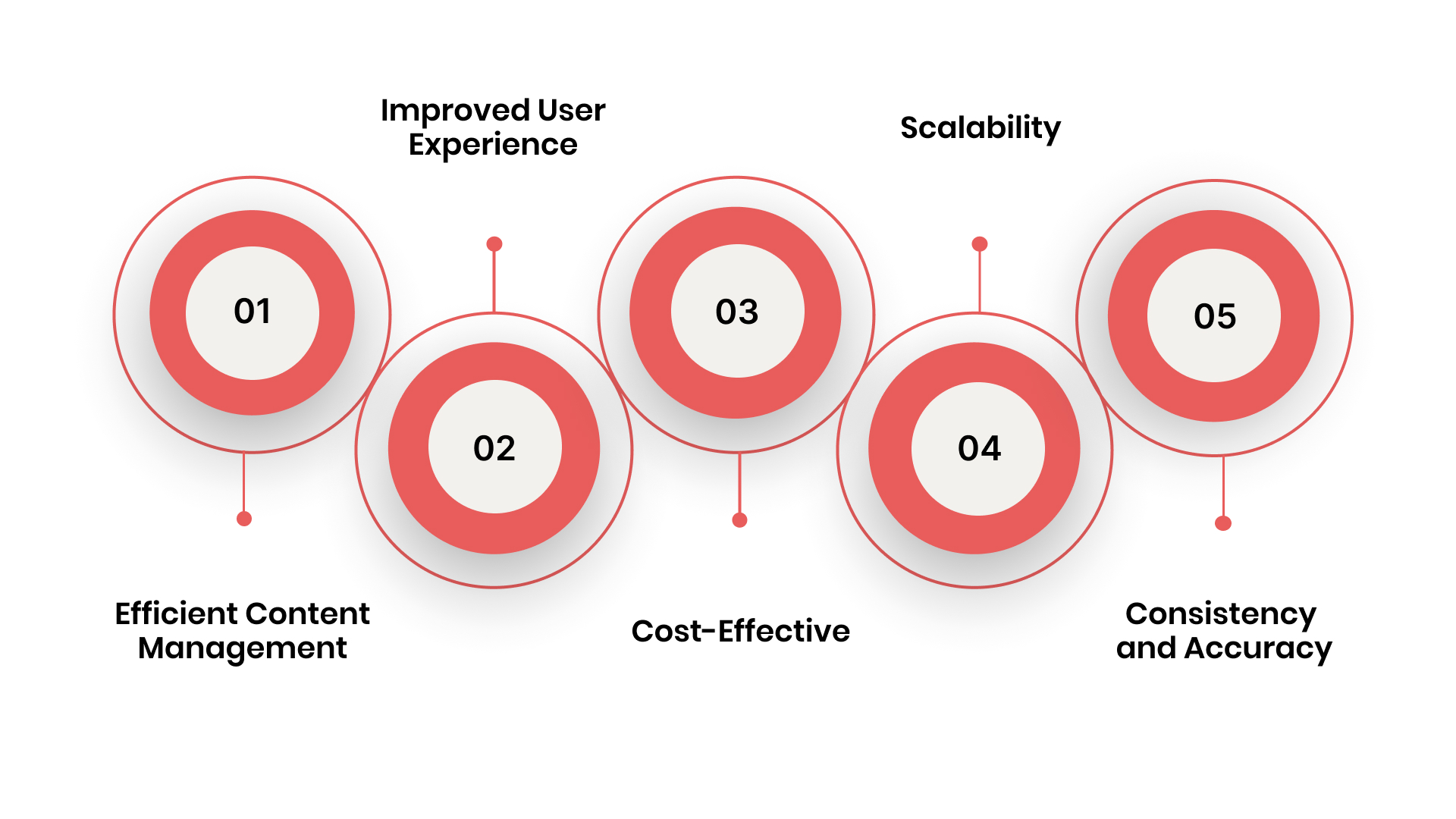
- Efficient Content Management: With a multilingual CMS, managing and updating content in multiple languages becomes seamless. This is particularly helpful for CTOs, Product Managers, and Localisation Managers working in global organisations that need to ensure consistency across regions.
- Improved User Experience: Localised content creates a more engaging experience for international users. By automatically changing content based on the user’s language preference, businesses in eCommerce, Government, and Healthcare can offer tailored experiences, driving engagement and conversions.
- Cost-Effective: Automating language change eliminates the need for manual intervention and reduces the risk of errors in translation. This reduces operational costs for enterprises, especially in sectors like Legal & Compliance, where accuracy is vital.
- Scalability: Multilingual CMS solutions enable businesses to scale their localisation efforts as they expand into new markets. This is particularly valuable for Marketing and Content Heads focused on audience expansion and brand consistency.
- Consistency and Accuracy: A multilingual CMS ensures consistent translations and content updates across multiple languages, avoiding the pitfalls of inconsistent or inaccurate translations, which are common challenges in multilingual website management.
Now, let’s explore the essential features to look for in a multilingual CMS platform.
5 Essential Features of a Multilingual CMS
To effectively implement language change automation, your Multilingual CMS should have the following features:
- Automated Translation Integration: Integration with machine translation APIs like Google Translate or Neural Machine Translation (NMT) for automated translations, especially for large-scale content such as product listings in eCommerce or public services in Government sectors.
- Language Switching Capability: The ability for users to switch between languages effortlessly. This is particularly useful in BFSI and eCommerce, where users from different regions need quick access to localised content.
- Multilingual SEO: Built-in support for SEO across multiple languages, using hreflang tags to ensure that search engines index the right version of the content for each region.
- Content Version Control: The ability to track changes and updates to content across different language versions, ensuring that updates made in one language are synchronised with others.
- Compliance and Legal Support: For industries like Legal & Compliance and Healthcare, ensuring the CMS supports regulatory requirements in different regions is essential.
Also Read: How Rule-Based Machine Translation Works: A Deep Dive
Moving on, we’ll discuss the different types of multilingual CMS platforms available.
2 Types of Multilingual Content Management Systems
There are two main types of multilingual CMS: open-source and proprietary solutions. Both have their advantages and are suitable for different types of businesses depending on their needs and resources.
1. Open-source Multilingual CMS Options
Open-source multilingual CMS platforms provide flexibility and are typically free to use, allowing for customizability. These platforms are ideal for businesses with technical teams capable of adapting the system to their needs.
Pros:
- Cost-effective: Free to use, reducing upfront costs.
- Highly customizable: Offers full control over design and functionality.
- Large community support: Access to a broad developer community for troubleshooting and custom development.
Cons:
- Requires technical expertise: Set up and maintenance require in-house technical knowledge.
- Limited customer support: Relies on community forums or paid third-party support.
2. Proprietary Multilingual CMS Solutions
Proprietary CMS platforms are developed and sold by vendors. They often come with built-in features and support, making them ideal for businesses that prefer a more hands-off solution.
Pros:
- High-quality support: Dedicated support team for troubleshooting and customer service.
- Ready-to-use features: Built-in functionalities for easier implementation.
- No technical expertise required: Suitable for businesses without in-house development teams.
Cons:
- Expensive: Higher upfront costs and ongoing subscription fees.
- Limited flexibility: Customisation options may be restricted compared to open-source alternatives.
Also Read: What is the Importance of Translation in Business Expansion?
Let’s dive into the top multilingual CMS platforms for content management.
5 Top Multilingual CMS Platforms for Content Management
For enterprises looking to scale their website content to multiple languages, choosing the right multilingual content management system (CMS) is important. Choosing the right multilingual CMS depends on content scale, language complexity, and integration requirements.
Below are the five top multilingual CMS platforms.
1. Anuvadak
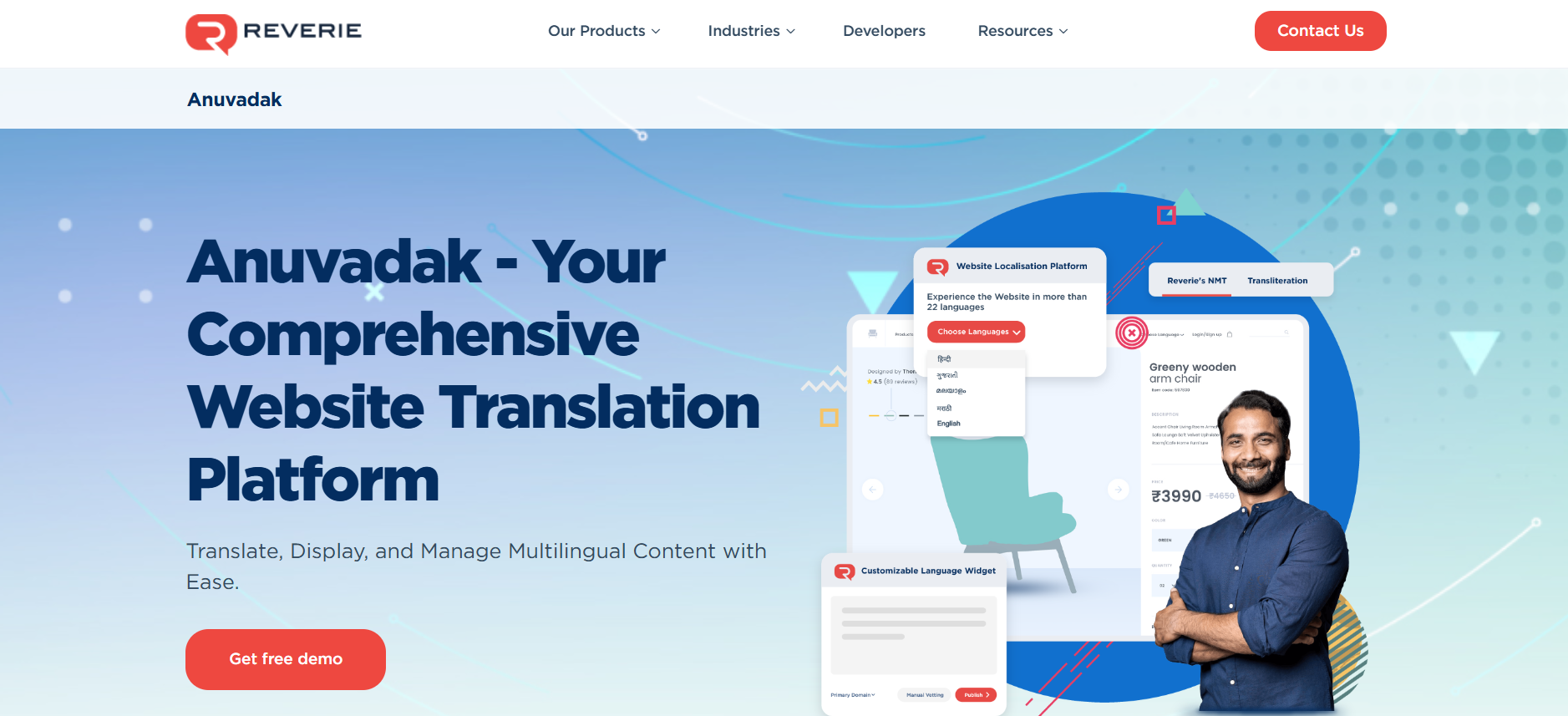
Anuvadak simplifies website and app localisation by automating translation workflows for multilingual content. While Anuvadak isn’t a CMS on its own, it integrates seamlessly with existing CMS platforms, enabling businesses in sectors like eCommerce, BFSI, and Healthcare to scale and manage multilingual content with ease. Using AI-powered translation, speech, and text APIs, Anuvadak ensures cultural accuracy and operational efficiency across over a dozen Indian languages.
Key Features:
- Website & App Localisation: Automates the translation and management of multilingual websites and apps, ensuring cultural relevance. Integrates effortlessly with your CMS, providing a centralised dashboard for easy content updates.
- Multilingual APIs: Enables real-time multilingual communication through APIs, including translation, transliteration, speech-to-text, and text-to-speech. These APIs help businesses automate content delivery across platforms, ensuring seamless user experiences.
- Scalability and Security: Designed for enterprise-scale deployment, Anuvadak supports large-scale content operations with end-to-end encryption for data security and a scalable cloud architecture for easy adaptability across digital platforms.
Pros:
- Multilingual Reach & Engagement: Helps businesses to connect with India’s diverse linguistic communities, driving deeper customer engagement and trust.
- Operational Efficiency: Centralised content management and automated translation workflows reduce manual efforts, streamlining the process of updating and localising content for enterprises.
- Cultural Accuracy: AI-powered context-aware translation ensures content resonates with regional audiences, providing culturally sensitive and relevant user experiences for diverse markets.
Cons:
- Requires Existing CMS: Anuvadak integrates with existing CMS systems, but it’s not a standalone CMS, so a CMS platform must already be in place.
- Complex Initial Setup: Integration is seamless, but configuring APIs and customising for specific regions may require technical expertise, especially for large-scale projects.
- Higher Cost for Small Businesses: Anuvadak is designed for enterprise-scale use, making it potentially more costly and complex for smaller businesses with limited localisation needs.
Pricing: Pricing varies based on enterprise requirements and the number of languages supported.
2. WordPress
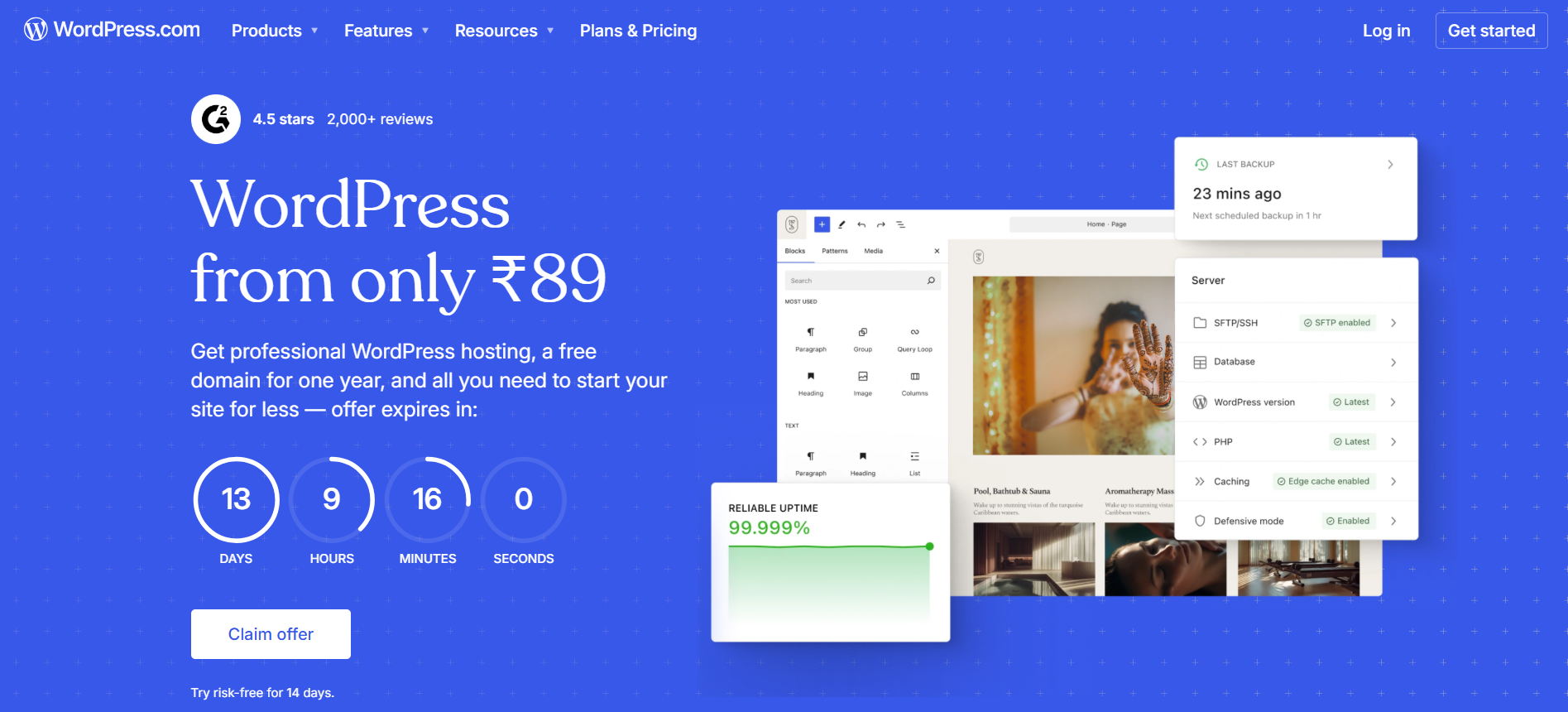
WordPress is an open-source platform with extensive multilingual capabilities, widely used for websites. It supports multilingual content through plugins like WPML and Polylang, simplifying the process of website translation.
Key Features:
- Easy-to-use interface: Simplifies multilingual content management for web admins.
- Wide range of plugins: Offers plugins like WPML for seamless multilingual support.
- SEO-friendly: Optimised for multilingual SEO to help improve local and global search rankings.
Pros:
- Large community support: Access to a wide network of resources and troubleshooting support.
- Cost-effective: Free to use with optional paid plugins for enhanced functionality.
- Extensive plugin system: Offers a broad array of plugins for added multilingual capabilities.
Cons:
- Limited built-in multilingual features: Relies on third-party plugins for full multilingual functionality.
- Requires plugin management: Continuous updates and plugin compatibility checks are needed.
- Performance issues with plugins: Site performance may be impacted when using multiple plugins.
Pricing: Free for basic use, with costs for premium plugins and themes.
3. Strapi
Strapi is an open-source, headless CMS that excels in flexibility, making it ideal for API-first content delivery and multilingual content management.
Key Features:
- Customizable API for content delivery: Allows content to be delivered seamlessly across web and mobile platforms.
- Multi-language support: Offers multilingual content management through plugins and custom configurations.
- Scalable for enterprises: Supports large applications with complex multilingual needs.
Pros:
- Highly customizable: Tailor the CMS to fit specific business requirements and workflows.
- Easy integration with modern tech stacks: Integrates well with modern APIs and development tools.
- Perfect for API-first content management: Ideal for businesses with complex, tech-driven systems.
Cons:
- Requires developer expertise: Best suited for businesses with in-house technical resources.
- No built-in frontend: Needs custom frontend development to display localised content.
- Limited out-of-the-box multilingual support: Requires additional setup and configuration for multilingual capabilities.
Pricing: Free for the open-source version.
4. Contentful
Contentful is a headless CMS offering powerful multilingual content management features, especially suited for dynamic and content-heavy websites like eLearning or media platforms.
Key Features:
- API-first content delivery: Distributes content across various applications and platforms.
- Multi-language support: Provides flexible workflows for handling multilingual content and translation processes.
- Integration options: Easily integrates with third-party services for enhanced localisation functionality.
Pros:
- Flexible content management: Ideal for handling complex, multilingual content that needs to be distributed across multiple channels.
- Scalable: Can handle large websites and content-rich applications.
- User-friendly for non-technical users: Simple to use, even for those without coding expertise.
Cons:
- Pricing can be steep: Enterprise pricing plans can be expensive for small-to-medium businesses.
- Requires third-party tools: Some advanced localisation features require additional third-party integrations.
- Steep learning curve: Initial setup and learning curve can be challenging for new users.
Pricing: Free for basic plans.
5. Webflow
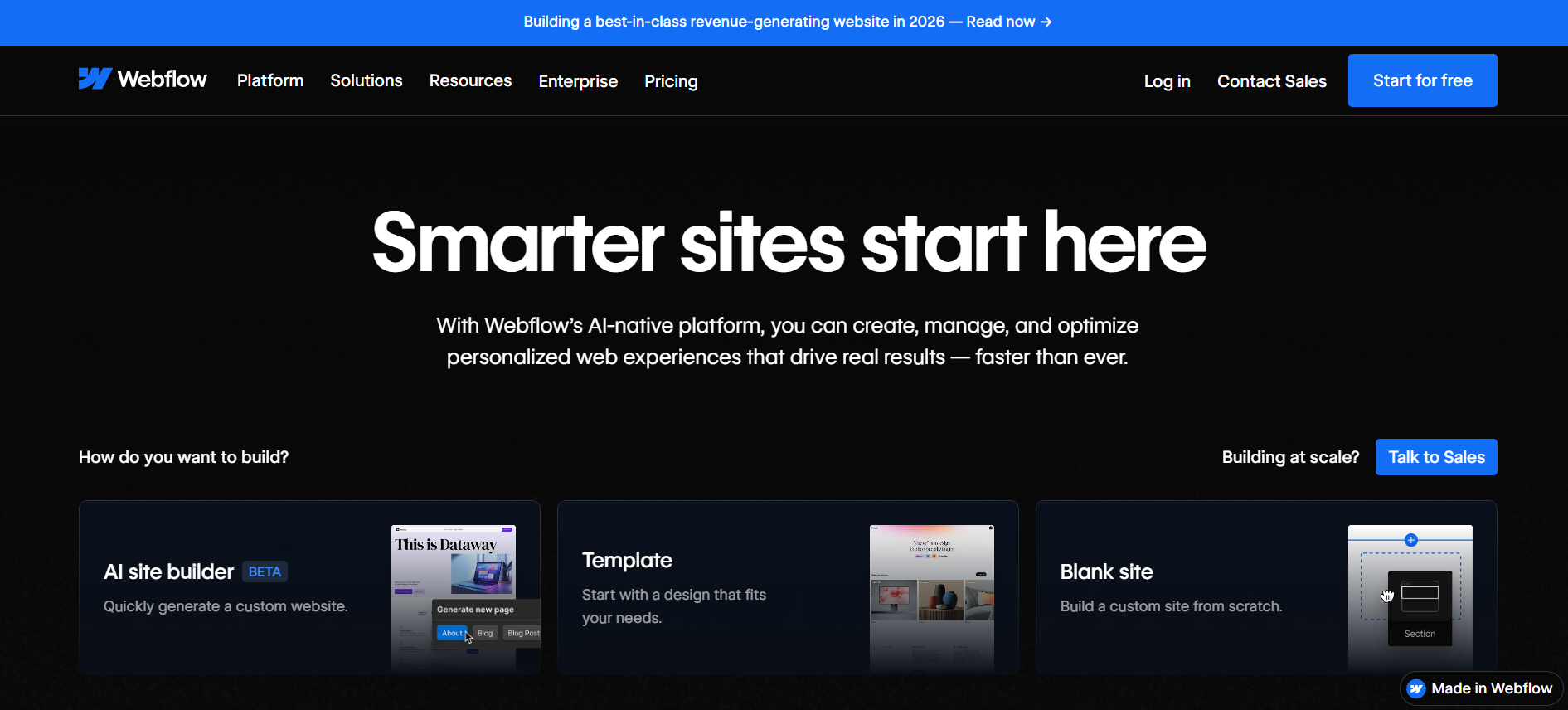
Webflow is a visual CMS that integrates both design and content management, making it an excellent choice for businesses looking for intuitive, multilingual website creation tools.
Features:
- Drag-and-drop editor: Easily design and manage multilingual websites without coding.
- Built-in CMS: Manage multilingual content directly within Webflow’s intuitive platform.
- Integration with translation services: Seamlessly integrates with third-party translation tools for automated localisation.
Pros:
- Visually intuitive: Ideal for non-technical users, offering an easy interface for designing multilingual pages.
- Strong customer support: Comprehensive resources and educational materials for users.
- Great for design-first websites: Perfect for businesses looking for aesthetically focused multilingual sites.
Cons:
- Limited multilingual SEO tools: Requires additional setup for advanced SEO optimisation.
- No native translation management: Must integrate with third-party tools for managing translations.
- Can be expensive for larger projects: Pricing scales up for more advanced features and larger teams.
Pricing: Pricing starts at $14/month for basic plans, with higher-tier plans for more advanced features.
Also Read: The Ultimate Guide to SEO Translation and Localisation for Multilingual Websites
Next, we’ll discuss how to choose the right multilingual CMS for your website’s needs.
How to Choose the Right Multilingual CMS for Your Needs
When evaluating a multilingual CMS, enterprises must balance scalability, integration depth, and localisation governance. Below are the factors to consider:
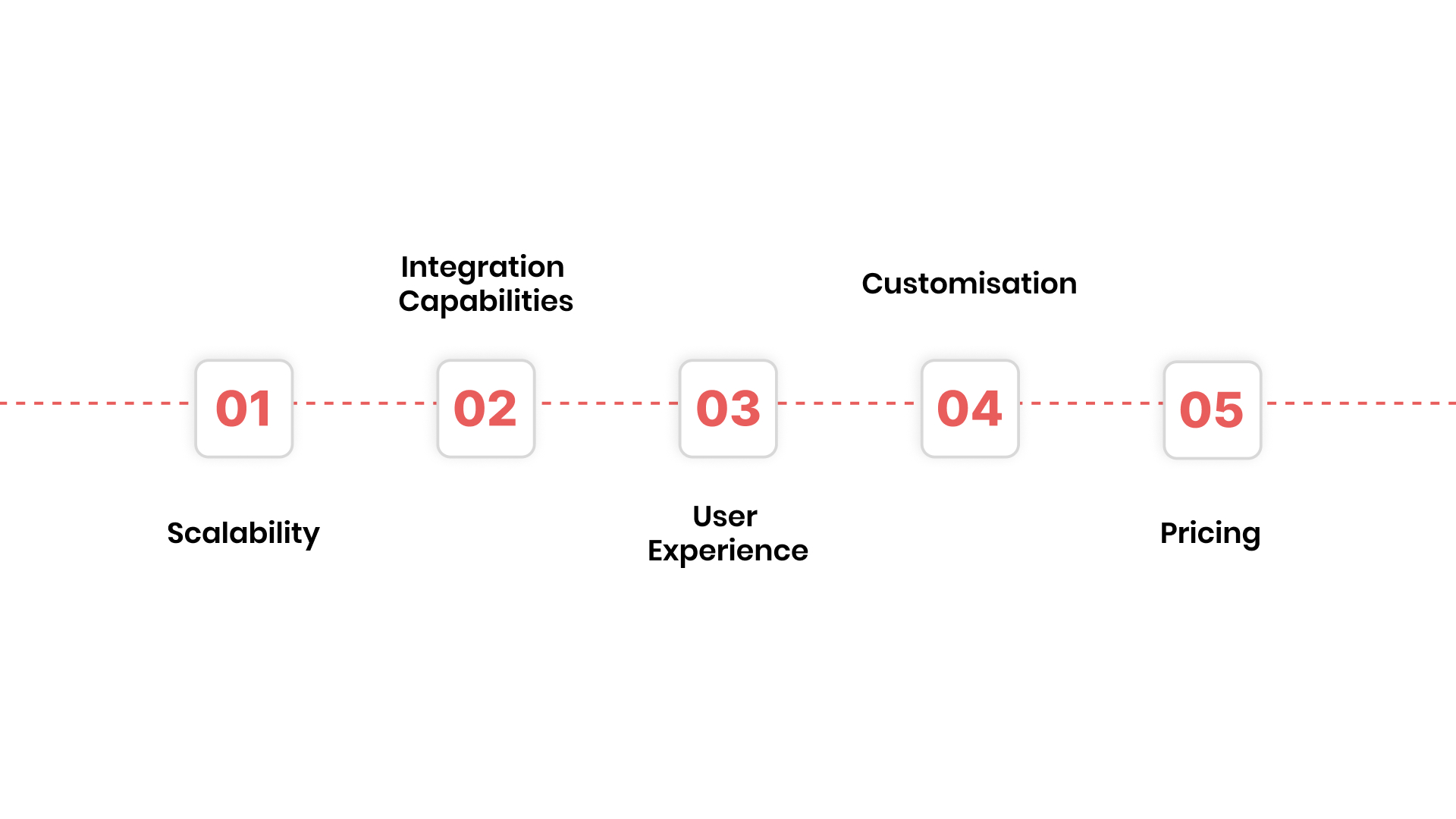
- Scalability: Choose a CMS that supports enterprise-level scalability, capable of handling increasing volumes of content and languages as your business expands globally.
- Integration Capabilities: Ensure the CMS integrates seamlessly with your existing multilingual APIs, CRM systems, and other enterprise-level software. For eCommerce and BFSI sectors, this integration is vital for syncing customer data, transactions, and localised content management across regions.
- User Experience (UX): Opt for a platform that offers intuitive content workflows to ensure ease of use for both technical teams and non-technical users, such as Marketing Heads and Customer Experience (CX) leaders. A strong UX reduces barriers to managing multilingual customer journeys.
- Customisation: Evaluate how flexible the CMS is in terms of API-driven customisation to adapt to your specific workflows, especially for businesses in Government and eLearning, where content governance and accessibility standards must be adhered to.
- Pricing: Consider the long-term total cost of ownership (TCO), including implementation, subscription fees, and maintenance costs. For CTOs and IT Heads, balancing the upfront cost against the platform’s scalability and security features is crucial for BFSI or Legal & Compliance industries.
Finally, let’s look at the common challenges businesses face when integrating a multilingual CMS.
4 Challenges in Integrating a Multilingual CMS for Your Website
Building a multilingual CMS presents several challenges that can impact business growth and operational efficiency. For Product Managers, CTOs, and Compliance Officers, addressing these issues is key to maintaining a smooth multilingual experience.
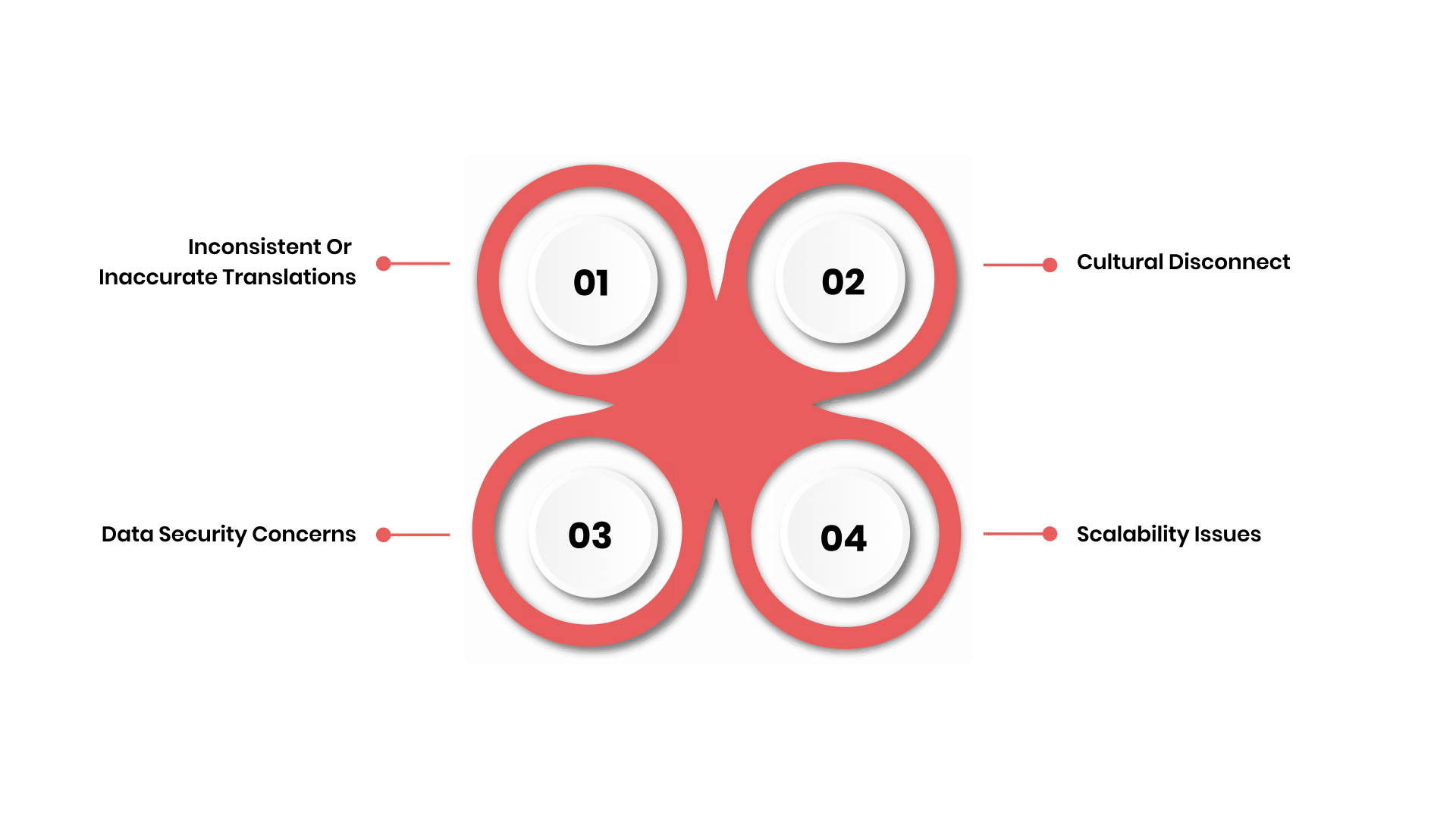
1. Inconsistent or Inaccurate Translations
Achieving accurate translations is especially challenging for industries with specialised content like Healthcare or Legal & Compliance, where technical precision and legal terminology are vital.
Implementing automated translation post-editing (MTPE) tools can mitigate errors.
2. Cultural Disconnect
Adapting content to resonate with regional cultural expectations is complex, particularly in global markets like eCommerce.
Localisation Managers must account for local values, symbols, and preferences while maintaining brand consistency.
3. Data Security Concerns
Sensitive data security is paramount for industries such as BFSI, Healthcare, and Government.
Ensuring multilingual CMS platforms comply with GDPR or HIPAA regulations while managing data sovereignty across borders is a major challenge for Compliance Officers.
4. Scalability Issues
As your business grows, so does the need for a CMS capable of managing an expanding array of languages and content.
For eLearning platforms or Manufacturing websites, it’s important to choose a CMS that offers API-first integrations and can scale without compromising on performance or security.
Also Read: How Shopify Localisation and Translation Can Scale Your Store in India
Conclusion
Choosing the right multilingual CMS is key to ensuring that your content is consistently tailored for global audiences while maintaining operational efficiency. Using the features of these top multilingual CMS platforms, businesses can scale their content management efforts, improve user engagement, and streamline localisation workflows.
Anuvadak’s Website & App Localisation and Multilingual APIs automate content translation, ensuring cultural relevance and seamless integration with your CMS. With context-aware translation memory, centralised management, and scalable cloud architecture, Anuvadak simplifies localisation, enhances user engagement, and ensures data security. Ideal for industries like eCommerce, BFSI, and Healthcare, it supports global expansion with ease.
Contact us to discover how Anuvadak can streamline your multilingual content management and enhance global engagement for your business.
FAQs
1. How does a multilingual CMS improve website scalability?
A multilingual CMS enables seamless content management across multiple languages, supporting scalability by automating language-specific updates and ensuring a unified user experience globally.
2. What are the SEO implications of using a multilingual CMS?
A multilingual CMS supports SEO-friendly practices like hreflang tags, improving local search rankings and helping global websites target regional markets more effectively.
3. Can a multilingual CMS integrate with existing translation management systems (TMS)?
Yes, most multilingual CMS platforms offer API integrations with TMS tools, streamlining translation workflows and improving efficiency in content localisation for large-scale businesses.
4. How does a multilingual CMS handle legal and regulatory compliance?
A multilingual CMS can ensure compliance by managing localised legal content, adjusting privacy policies, terms of service, and other legal documents to meet regional regulations.
5. What are the best practices for translating dynamic content with a multilingual CMS?
For dynamic content, ensure real-time content syncing across languages, using automated translation tools and API-driven workflows to maintain accuracy and efficiency across all language versions.