Every conversation is either a missed risk or an untapped opportunity.
Enterprises in industries such as banking, healthcare, e-commerce, automotive, education, and law handle thousands of calls each day. Hidden within are signals of customer intent, compliance gaps, and inefficiencies; yet, most of this data remains locked in recordings.
The result is costly: missed disclosures, unresolved complaints, and resource-heavy QA processes.
Speech analytics changes that. Already widely adopted in contact centers, it enables companies to analyse 100% of calls around the clock, improving service quality, resolving issues in real-time, tracking sentiment, and ensuring compliance. For businesses where every call matters, the real question isn’t whether to use speech analytics, but what each month of delay is costing in lost revenue, risk, and customer trust.
Quick Snapshot
- Gain Actionable Insights: Convert voice data into valuable insights by analyzing sentiment, keywords, and context to better understand customer needs.
- Choose Your Analysis Approach: Use real-time analysis for immediate actions, post-call analysis for strategic insights, or a hybrid method for a comprehensive view.
- Enhance Efficiency: Automate the analysis of 100% of conversations, reducing manual effort and improving operational efficiency while minimizing risks.
- Proactively Improve Customer Experience: Detect dissatisfaction early and resolve issues before they escalate, boosting customer satisfaction and loyalty.
- Tailored for Indian Businesses: With support for 11 Indian languages and regional accents, Reverie’s Speech-to-Text API ensures accurate transcription for diverse markets.
The Impact of Speech Analytics on Your Business

Every conversation holds value, but how often do you get the complete picture of what’s really being said? Whether it’s a customer support call, a meeting with stakeholders, or even a legal proceeding, speech analytics helps you find the insights that matter most.
For industries such as banking, e-commerce, automotive, healthcare, education, and law, understanding your customers’ needs, anticipating issues, and streamlining operations are key to staying competitive.
Here’s why speech analytics should be on your radar:
1. Get Real Insights from Every Conversation
Every call, meeting, or chat presents an opportunity to gather valuable information. With speech analytics, you can analyse these conversations at scale, spotting trends, identifying pain points, and gaining a deeper understanding of what customers, clients, and stakeholders are really saying.
For product heads or digital marketing leaders, this means better data to inform more intelligent decisions and strategies.
2. Identify Issues Before They Escalate
With speech analytics, you can detect frustration or dissatisfaction early in the conversation. Whether it’s a customer getting frustrated with a service or a stakeholder expressing concern, you’ll have the tools to act before things escalate—keeping customers happy and your brand strong.
3. Drive Efficiency Across Your Teams
In e-commerce or automotive, time is money. Speech analytics helps you spot recurring issues or identify patterns that impact your team’s performance. With real-time insights, you can optimize workflows, improve training, and ultimately help your teams work smarter, not harder.
3. Stay Compliant and Reduce Risks
For industries such as law or healthcare, compliance is non-negotiable. Speech analytics ensures that sensitive data is flagged automatically, helping you stay on top of legal requirements without having to sift through every conversation manually. This reduces the risk of compliance violations and protects your business from unnecessary exposure.
4. Refine Products and Services with Real Feedback
Want to build a product your customers actually want? Speech analytics enables you to listen directly to your customers, gaining valuable insights into their preferences, pain points, and overall satisfaction levels.
Now that we’ve seen how speech analytics can drive meaningful change, you might be wondering how it compares to voice analytics. It’s a common mix-up, so let’s break down the differences.
How Is Speech Analytics Different from Voice Analytics?
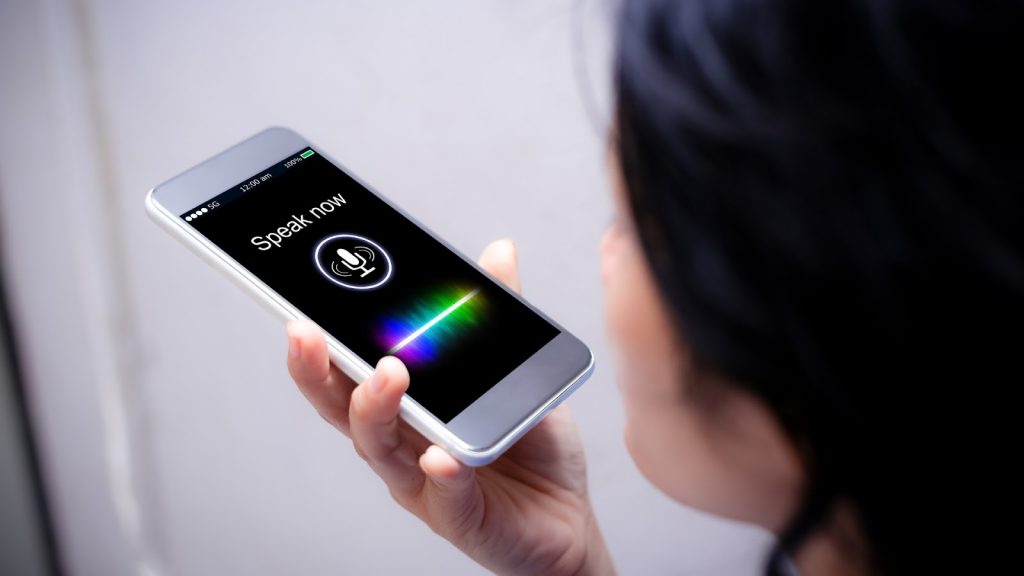
Speech analytics examines what is said by extracting keywords, sentiment, and context, while voice analytics focuses on how it is said by analyzing tone, pitch, and emotion.
Using both gives a fuller understanding of customer interactions: speech analytics for content and voice analytics for emotion.
| Aspect | Speech Analytics | Voice Analytics |
| Focus | Content of the conversation (what is said) | Emotion and tone (how it is said) |
| Primary Function | Analyses the words, phrases, and context to derive insights | Analyses voice tone, pitch, stress, and volume |
| Metrics Analysed | Word frequency, phrase usage, sentiment analysis | Pitch variation, volume fluctuations, speech rate |
| Example Scenario | Identifying whether a customer is expressing frustration or satisfaction through word choices (e.g., “I’m upset” vs. “I’m happy”) | Detecting rising stress or excitement in a customer’s voice to determine urgency or satisfaction (e.g., raising pitch indicates frustration or excitement) |
| Key Technologies | Utilizes Speech Recognition and Natural Language Processing (NLP). | Incorporates Speech Recognition, NLP, AI, Sentiment Analysis, Machine Learning, and Biometrics |
Types of Speech Analytics

Speech analytics can be applied at different stages of customer interactions. The main distinction lies in whether conversations are analysed during the call, after it ends, or through a mix of both. Each approach serves different business needs.
1. Real-Time Speech Analytics
Analyses conversations as they happen using NLP and machine learning. It flags sentiment, keywords, compliance issues, or suggested actions instantly.
Benefits:
- Intervene during calls to prevent escalation
- Improve customer satisfaction by solving issues on the spot
- Reduce compliance and reputation risks
- Support live coaching with instant feedback
2. Post-Call (Batch) Speech Analytics
Analyses recorded calls after they’re completed, uncovering trends, sentiment, agent performance, and compliance.
Benefits:
- Identify recurring customer issues and pain points
- Coach teams with data-driven insights
- Track long-term satisfaction and compliance metrics
- Improve processes, scripts, and product design
3. Hybrid / Near-Real-Time Speech Analytics
Combines real-time and post-call approaches for both immediate responsiveness and strategic depth.
Benefits:
- Act instantly on urgent issues while analyzing patterns later
- Balance resources by monitoring key calls live and others in batches
- Improve decision-making with a mix of instant feedback and trend analysis
When it comes to improving customer interactions, having the right speech analytics tools in place is crucial. Whether you need to act quickly during calls or dive deep into post-call analysis, Reverie’s Speech-to-Text API provides the flexibility and power to help you better understand and respond to customer conversations.
Sign up today to learn how it can optimize your operations and elevate customer experience.
Next, we’ll break down the process that powers speech analytics and makes it a valuable tool for your business.
How Speech Analytics Works

Speech analytics captures and analyses your business conversations to create clear insights that improve operations and reduce risks in specific industries:
1. Recording Voice Interactions
Every customer call, meeting, or voice command is recorded, providing a complete source of information for analysis. For example, banks record customer support calls, and automotive systems capture voice assistant interactions.
2. Speech-to-Text Conversion
Recorded audio is converted into text using advanced speech recognition technology. This technology supports multiple languages, accents, and industry-specific terms to ensure accuracy. In healthcare, this means capturing complex medical terminology accurately, while in e-commerce, it handles diverse customer accents.
3. AI-Based Text Analysis
The transcribed text is processed by artificial intelligence to detect key phrases, customer sentiment, conversation tone, intent, and regulatory compliance. For example, banks use this to identify possible fraud or compliance violations, while education providers use it to detect student concerns or confusion.
4. Pattern Recognition and Risk Identification
Machine learning reviews thousands of conversations to identify recurring issues or risks. Automotive companies may detect repeated misunderstood commands, while legal firms can spot missed compliance phrases in recordings.
5. Providing Actionable Insights
Results are shown in dashboards with real-time alerts, agent performance data, compliance flags, and customer satisfaction trends. These insights help teams in each industry make fast, informed decisions, optimize workflows, and improve customer outcomes.
6. Data Privacy and Compliance
Sensitive customer data is automatically masked during transcription to meet privacy laws. This protects personal information while allowing full analysis necessary for regulated industries such as banking and healthcare.
By grasping how speech analytics works, we can better explore the specific ways it supports business goals across industries.
Key Use-Cases of Speech Analytics

As a business, you deal with thousands of customer conversations every day through calls, meetings, or support interactions. Speech analytics helps you make sense of these conversations, providing insights that enhance performance, efficiency, and customer experience.
Here are some powerful ways you can use it across different sectors:
1. Customer Support & Call Centres
If you run a customer support team, speech analytics enables you to monitor calls in real-time. You can quickly identify customer concerns, measure agent performance, and spot patterns, such as repeated complaints. This not only improves customer satisfaction but also enables you to train your team more effectively.
For example, If many callers use regional phrases or mix Hindi and English, agents may misinterpret them. Speech analytics detects such patterns, allowing you to train agents or refine vocabulary models, reducing misunderstandings and call time.
Reverie’s Speech-to-text API helps your business convert voice data into written text with our Automatic Speech Recognition (ASR) model. You will get a precise and real-time conversion of customer calls into text in 11 different Indian languages.
2. Sales & Marketing Teams
Your sales calls are a goldmine of customer insights if you know how to tap into them. With speech analytics, you can automatically transcribe and analyse conversations to discover what matters most to your customers, which objections come up frequently, and what language or pitch helps close more deals.
For example, If transcripts show repeated questions about product compatibility, it signals unclear messaging. With speech analytics, you can spot this pattern and update sales scripts or marketing content to address it directly, reducing confusion and improving conversions.
3. Healthcare Providers
In healthcare, clear and accurate communication between doctors and patients is crucial. Speech analytics helps you automatically transcribe doctor–patient conversations and call records, ensuring better medical documentation, smoother communication, and compliance with data regulations without relying on manual note-taking.
For example, A telehealth service uses speech analytics to review patient calls and finds that terms like “prognosis” or “complication” often cause confusion. With this insight, doctors are encouraged to use simpler language, making consultations clearer and easier for patients to understand.
4. Education & E-Learning
If you’re in education or training, speech analytics helps you transcribe lectures, webinars, or online classes. You can also track student queries, identify learning gaps, and provide personalised support.
For example, an online course platform offers lectures in several Indian languages. Students often ask confusing questions on certain topics. Using speech analytics, you transcribe class Q&A sessions, then tag recurring misunderstandings.
With Reverie’s Speech‑to‑Text API, you can localise hours of digital video content into 11 Indian languages, removing bottlenecks like large volume, slow turnaround, quality drift, and linguistic nuances to deliver precise, high‑quality localisation at scale.
5. Media & Content Creation
For media businesses like podcasts, video series, or interviews, speech analytics goes beyond transcription by spotting trending topics, emotional tone, and engagement cues.
A podcast network uses speech analytics to analyse listener calls, interviews, and Q&A sessions. It highlights recurring themes and emotionally charged topics, helping creators refine storytelling, plan episodes, and deliver content that resonates.
Speech analytics offers powerful use cases across industries, enabling businesses to transform conversations into strategic assets for better decisions, faster responses, and stronger customer connections.
Also Read: Power of Speech to Text API: A Game Changer for Content Creation
Seeing these real-world applications makes it clear that success depends on choosing the right tools and setup. Let’s look at the key criteria that ensure your speech analytics implementation actually delivers results.
Key Criteria for Successful Speech Analytics Implementation
When you start using speech analytics in your business, it’s important to choose and set it up in a way that actually works for you. If you skip over critical criteria, you may end up with tools that are hard to use, give wrong insights, or simply don’t fit your workflows.
Here are what you should look for to ensure your speech analytics implementation succeeds:
1. Support for Indian Languages and Accents
Choose a solution that understands Indian English and multiple regional languages accurately. For example, in banking, correctly transcribing calls in Hindi, Tamil, or Bengali ensures you capture important compliance-related details without error.
2. Real-Time and Batch Processing
You need real-time analysis to respond quickly (for instance, flagging compliance issues during telehealth consultations), and batch processing to analyse trends over time, like spotting recurring questions in recorded online classes.
3. Custom Vocabulary for Your Industry
You need real-time analysis to respond quickly (for instance, flagging compliance issues during telehealth consultations), and batch processing to analyse trends over time, like spotting recurring questions in recorded online classes.
4. Easy Integration With Robust Developer Tools
Ensure the platform offers well-documented APIs and SDKs so your tech team can integrate speech analytics smoothly with your existing systems like CRMs or marketing platforms.
5. Secure and Compliant Infrastructure
Verify that the solution uses strong encryption and complies with data protection laws relevant to your industry, such as GDPR or India’s IT Act. Legal firms especially need this to safeguard confidential client information.
6. Actionable Dashboards, Not Just Transcripts
Look for dashboards that give you summarized insights, alerts, and sentiment analysis so you can act faster. Media teams, for example, can use these to quickly adjust content strategies based on audience reactions.
The gap between knowing what you need and finding a tool that truly fits can be wide. Here’s how Reverie’s Speech-to-Text API bridges that gap.
What Makes Reverie’s Speech-to-Text API the Right Choice for You
Reverie’s Speech-to-Text API enables your business to convert spoken voice into text reliably. Here’s how it can support your operations:
- Transcription in 11 Indian languages: Seamlessly convert conversations, including mixed Tamil-English, Hindi-English, or any regional blend, into properly punctuated text with accurate formatting.
- Real-time and batch processing: Monitor calls live or process large volumes of audio later, giving you flexibility in how you analyse voice data.
- Voice typing and command support: Enable users to create textual content by speaking or invoke actions via voice commands with features like keyword spotting.
- Profanity filtering & customization: Tailor output to your needs by filtering inappropriate content or detecting domain-specific keywords.
- Smooth integration and developer support: Use APIs or SDKs with clear documentation and a testing playground to bring speech transcription into your CRM, contact center, or internal systems.
- Flexible deployment (cloud or on-premises): Choose the environment that fits your regulatory, performance, or infrastructure requirements.
- Data security & privacy compliance: Reverie encrypts data and adheres to strong privacy standards, an essential feature especially for sectors like legal, healthcare, and finance.
- Impact metrics you can expect: Clients have reported improvements such as 37% boost in sales, a 2.5× increase in lead generation, 62% cut in operational costs, a 52% rise in CSAT, and a 97% reduction in dev time when integrating the API.
Also Read: How Reverie’s Speech-to-Text API is Reshaping Businesses in India
Conclusion
Speech analytics has quickly become a must-have for modern businesses, enabling you to transform everyday conversations into valuable business insights. Whether you’re trying to understand customer sentiment, improve agent performance, or strengthen compliance, speech analytics gives you the tools to act faster, smarter, and with more clarity.
If you’re looking to implement speech analytics built for India’s diverse languages, Reverie’s Speech-to-Text API is a powerful choice. With support for 11 Indian languages, real-time and batch processing, customizable vocabulary, and secure deployment options, we empower you to deliver enhanced experiences and make informed decisions.
So, why wait? Sign up now and start transforming your voice data into actionable insights!
FAQs
1. How does Reverie’s Speech-to-Text API handle Indian languages and regional accents to ensure accurate transcription?
Reverie’s API supports 11 Indian languages and understands regional accents through advanced AI models trained on extensive multilingual voice datasets. This ensures high accuracy even in mixed-language calls, typical in India’s diverse market, which are critical for precise customer interactions in banking, healthcare, and BPO sectors.
2. What measurable business benefits can industries like banking and healthcare expect from using speech analytics?
Speech analytics helps improve operational efficiency, enhance customer satisfaction, and reduce compliance risks through automated call monitoring. Banks and healthcare providers gain faster call resolution, better regulatory compliance, and actionable customer insights that drive service improvements.
3. How can speech analytics be integrated smoothly into existing enterprise workflows?
Reverie’s Speech-to-Text API offers well-documented APIs and SDKs that facilitate seamless integration with CRM systems, contact centers, and analytics platforms. This allows businesses to embed transcription and voice insights into existing tools, enabling real-time monitoring and long-term trend analysis without disrupting workflows.
4. What are common challenges in speech analytics implementation for Indian enterprises, and how can they be mitigated?
Challenges include managing linguistic diversity, ensuring data security, and aligning analytics with business goals. These can be mitigated by choosing solutions like Reverie’s that specialize in Indian languages, prioritize encryption and compliance, and offer customizable dashboards aligned with KPIs for focused outcomes.
5. How does speech analytics support compliance with Indian data protection laws and industry regulations?
Speech analytics platforms like Reverie’s implement robust encryption, access controls, and data retention policies to comply with India’s IT Act and sector-specific standards. Automated monitoring detects compliance violations in real time, reducing manual oversight and minimizing legal risks in banking, healthcare, and legal industries.